Arab Foreign Ministers Demand Iran Pay Compensation for Hormuz Strait Attacks
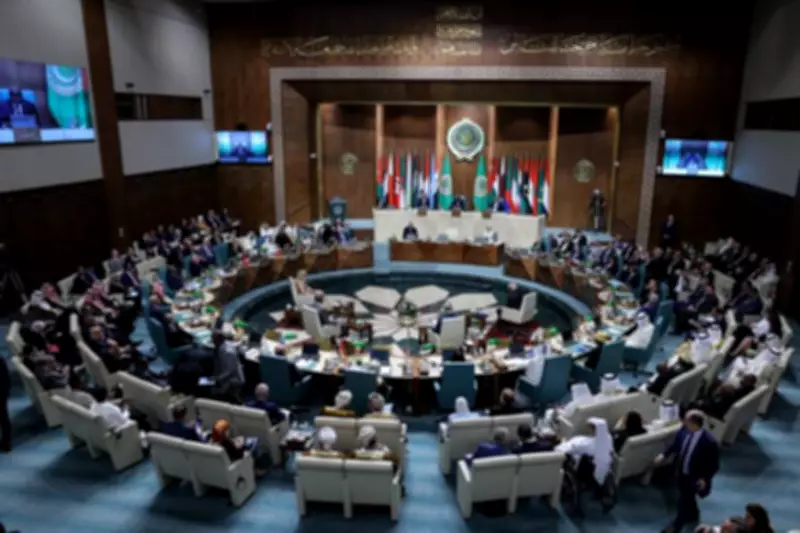
In a significant diplomatic development, Arab foreign ministers have issued a formal demand for Iran to provide compensation for a series of recent attacks that resulted in the closure of the strategically vital Strait of Hormuz. This move marks a notable escalation in regional tensions, as the ministers collectively called for accountability and financial restitution from Tehran.
Escalating Regional Tensions Over Strategic Waterway
The demand centers on incidents that disrupted maritime traffic through the Strait of Hormuz, a critical chokepoint for global oil shipments. Arab ministers argue that Iran's alleged involvement in these attacks has caused substantial economic and security damages, warranting immediate compensation. The closure of the strait, even temporarily, has had ripple effects on international trade and energy markets, heightening concerns among neighboring states and global powers alike.
Key points from the ministers' statement include:

- A call for Iran to acknowledge responsibility for the attacks and their consequences.
- Demands for financial compensation to cover losses incurred by affected Arab nations.
- Emphasis on the need for enhanced security measures to prevent future disruptions in the strait.
Broader Implications for Diplomacy and Security
This demand is part of a broader pattern of strained relations between Iran and Arab states, often fueled by geopolitical rivalries and security concerns. The ministers' collective action underscores a unified stance aimed at pressuring Tehran to address what they describe as destabilizing behavior in the region. Analysts suggest that this could lead to further diplomatic confrontations or even impact ongoing negotiations related to regional security frameworks.
Observers note that the timing of this demand coincides with increased international scrutiny on Iran's activities in the Persian Gulf. The closure of the Strait of Hormuz has historically been a flashpoint, given its role in transporting about one-fifth of the world's oil supply. Any prolonged disruption could have severe implications for global energy prices and economic stability.
Potential Responses and Future Outlook
Iran has yet to issue an official response to the compensation demand, but past actions suggest it may reject the allegations or counter with its own claims. The situation remains fluid, with potential for further escalation if diplomatic channels fail to yield a resolution. Arab ministers have indicated that they will pursue multilateral avenues, possibly involving international bodies, to enforce their demands if necessary.
In summary, the Arab foreign ministers' demand for compensation from Iran over the Hormuz Strait attacks highlights growing regional frictions and the high stakes involved in securing this crucial maritime passage. As tensions simmer, the international community watches closely, aware that any misstep could have far-reaching consequences for peace and stability in the Middle East.