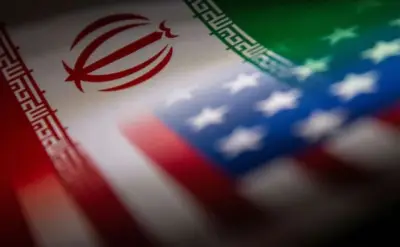
The Iran-US agreement has been received across much of the world with a sigh of relief. Yet relief should not be mistaken for certainty. The more likely possibility is that this deal remains a fragile piece of paper rather than the foundation of lasting peace.
Immediate Threats to the Deal
The first and most immediate problem is Israel. It has never considered itself bound by American diplomatic understandings when those understandings do not serve its own strategic appetite. It takes only one Israeli airstrike, one provocation, one manufactured security pretext to reset the entire process. This danger is especially acute in Lebanon, where Israel is likely to continue its aggression after being thwarted by Hezbollah. A deal between Washington and Tehran cannot survive for long if Israel is allowed to keep lighting fires around it.
US Political Theatre
The second problem lies in Washington itself. President Donald Trump may be willing to send the agreement to Congress, but congressional review will not be a sober exercise in statesmanship. It will become a political theatre. AIPAC’s influence over Congress is no secret, and politicians from both parties will be eager to posture, grandstand and prove their loyalty to the anti-Iran consensus. With reports of major financial relief for Tehran under the deal, the hawks will do everything possible to spoil it before the ink has dried.

Unresolved Regional Grievances
The deeper issue is that repeated rounds of war suit the Israel-US empire. The core tension in the Middle East has not been resolved. Palestine is still occupied. Israel’s genocide and barbarism remain unchecked. Iran remains a potent adversary. Hezbollah remains standing. The region’s grievances remain alive.
Postponing the Inevitable
Even if this agreement holds temporarily, it does not answer the central question. It merely postpones it. The world may celebrate today, but unless the machinery of aggression is dismantled, we may be back here in a few years, counting the dead again.