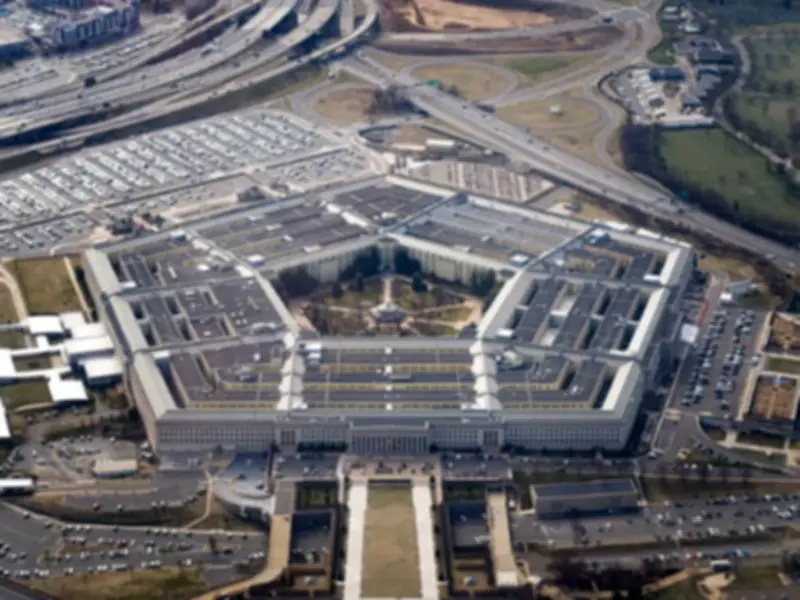
The Pentagon has redesignated its press office as a classified space, effectively barring journalists from physical access to the facility, according to a report by The Washington Post. This move has raised concerns about transparency and the ability of the media to report on military affairs.
Details of the Decision
According to the report, the Pentagon's press office, which has traditionally been open to accredited journalists, is now considered a sensitive compartmented information facility (SCIF). This designation means that only individuals with appropriate security clearances can enter the space, which includes the area where press briefings are typically held.
The decision was communicated to reporters via email, stating that the press office would be closed for renovations and that journalists would be relocated to a different area. However, the Washington Post reported that the move is permanent and not just a temporary measure.

Impact on Journalists
The change has significant implications for the media. Journalists covering the Pentagon will no longer have the same level of access to officials and information. They will be restricted to a new workspace that is separate from the press office, limiting their ability to interact with Pentagon personnel and gather news.
Some reporters have expressed frustration, noting that the decision undermines the principle of press freedom and the public's right to know about the activities of the Department of Defense. The Pentagon has not provided a clear explanation for the reclassification, leading to speculation that it may be an effort to control information flow.
Reactions and Concerns
The move has drawn criticism from press freedom advocates and some lawmakers. The Washington Post editorial board called the decision a "blow to transparency" and urged the Pentagon to reverse it. Others have argued that the classification is unnecessary and that it creates an adversarial relationship between the military and the media.
The Pentagon's press secretary has defended the decision, stating that it is necessary to protect national security and that alternative arrangements have been made for journalists to conduct their work. However, critics contend that these arrangements are insufficient and that the real motive is to limit scrutiny of the Pentagon's operations.
As of now, the Pentagon has not announced any plans to reconsider the reclassification. The situation continues to develop, and further reactions from media organizations and government officials are expected.