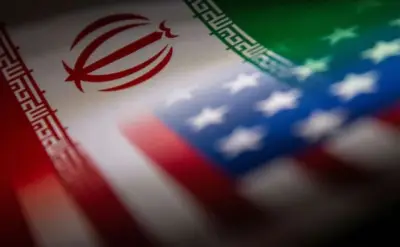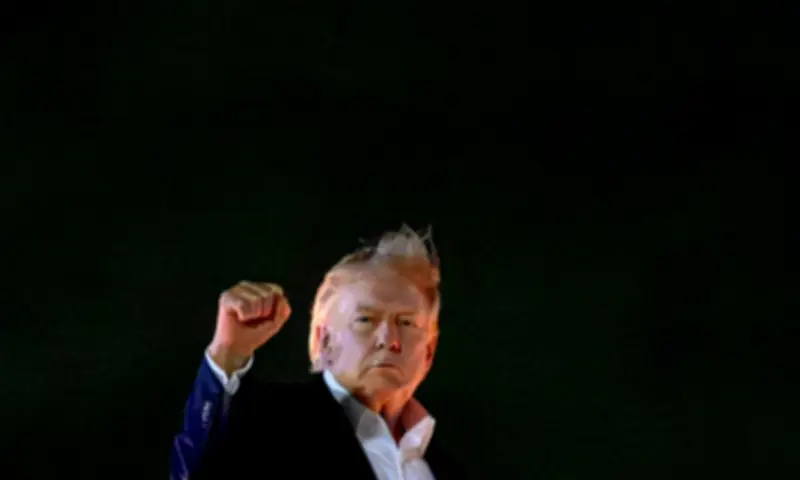
The announcement of a US-Iran ceasefire deal on Sunday has been hailed by President Donald Trump as a victory, but a closer look reveals many unresolved issues that could undermine the agreement. Trump's administration will face questions about the cost of the war—thousands of lives and over $30 billion—for what appears to be a return to the prewar status quo: reopening the Strait of Hormuz, which was never closed before the war, and securing a pledge from Iran not to build a nuclear weapon, a commitment it has made for decades.
Strait of Hormuz: Not Fully Reopened Yet
Trump announced on Truth Social that the Strait of Hormuz would be "permanently toll free," but Iran's state media claims the country plans to implement fees on transit through the waterway. The deal includes a five-day delay before implementation, leaving shipping companies and seafarers organizations seeking clarification before deeming the strait safe. Iran's implicit ability to close the strait again gives it powerful leverage in future negotiations.
Nuclear Program: A Punted Issue
The agreement begins a 60-day ceasefire period to negotiate a full peace deal, including on Iran's nuclear program. Key issues include disposal of Iran's 440-kilogram highly enriched uranium stockpile, with Trump demanding removal while Supreme Leader Khamenei opposes it. Other sticking points include the duration of enrichment restrictions, inspection regimes, and sanctions relief sequencing. Trust is low after US and Israeli attacks on Iran during previous negotiations.

Lebanon Conflict: A Potential Spoiler
Israel's ongoing conflict with Hezbollah in Lebanon threatens to derail the ceasefire. Israeli airstrikes on Beirut and refusal to withdraw from occupied Lebanese territory contradict Pakistani Prime Minister Shehbaz Sharif's announcement that the deal includes Lebanon. Israeli Prime Minister Benjamin Netanyahu, facing a tough reelection, may not agree to limits on retaliation against Hezbollah.
US Military Presence: Indefinite Footing
Trump suggested the US could act as "the guardian of the Middle East" for 20 percent of regional oil revenues, a departure from his anti-war rhetoric. US force posture will remain unchanged during negotiations. Analysts warn this could lead to a strategy of periodic military interventions, similar to Israel's "mowing the grass" approach, with no clear end in sight.
While the ceasefire may hold temporarily, the underlying issues—nuclear ambitions, regional conflicts, and US military involvement—remain unresolved, raising doubts about whether the war is truly over.