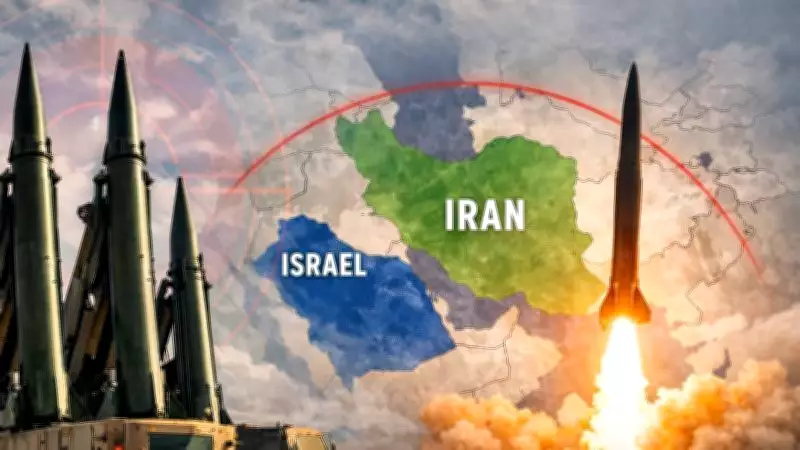
US and Israel Miscalculate Iran's Response, Escalating Regional Tensions
In a significant development, recent actions by the United States and Israel have been widely perceived as miscalculations regarding Iran's potential response, leading to a sharp escalation in regional tensions across the Middle East. This situation has raised concerns among international observers and analysts who warn of the possibility of further destabilization in an already volatile area.
Background of the Miscalculation
The miscalculation stems from a series of strategic moves by the US and Israel, which were intended to counter Iran's influence but have instead provoked a stronger-than-expected reaction. According to sources, these actions included diplomatic pressures, economic sanctions, and military posturing that underestimated Iran's resolve and capabilities. The Iranian government has responded with firm statements and increased military readiness, signaling its unwillingness to back down.
This dynamic has created a precarious situation where any minor incident could potentially trigger a larger conflict. The miscalculation highlights the complex geopolitical landscape of the Middle East, where historical animosities and competing interests often lead to unpredictable outcomes.

Regional Implications and International Concerns
The escalation in tensions has far-reaching implications for the entire region. Neighboring countries are closely monitoring the situation, with some expressing alarm over the potential for spillover effects. The risk of proxy conflicts and disruptions to global energy supplies has also been noted by experts.
International bodies and key global players have called for restraint and dialogue to de-escalate the situation. However, the miscalculation by the US and Israel has made diplomatic efforts more challenging, as trust between the parties has been further eroded.
Analysis of the Strategic Errors
Analysts point to several factors that contributed to the miscalculation:
- Underestimation of Iran's Resilience: The US and Israel may have overestimated the impact of their pressures, failing to account for Iran's ability to withstand external challenges.
- Misreading of Regional Dynamics: The actions did not fully consider the broader regional alliances and the potential for Iran to mobilize support from other actors.
- Lack of Contingency Planning: There appears to have been insufficient preparation for Iran's assertive response, leading to a reactive rather than proactive stance.
These errors have not only heightened tensions but also raised questions about the long-term strategy of the US and Israel in dealing with Iran.
Future Outlook and Recommendations
Looking ahead, the situation remains fluid and uncertain. To prevent further escalation, experts recommend:
- Immediate Diplomatic Engagement: Renewed efforts at dialogue through neutral intermediaries to reduce misunderstandings.
- De-escalation Measures: Confidence-building steps, such as temporary ceasefires or reduced military activities.
- Regional Cooperation: Involving other Middle Eastern countries in peace initiatives to address underlying issues.
The miscalculation by the US and Israel serves as a stark reminder of the complexities in international relations and the need for careful, informed decision-making to maintain regional stability.