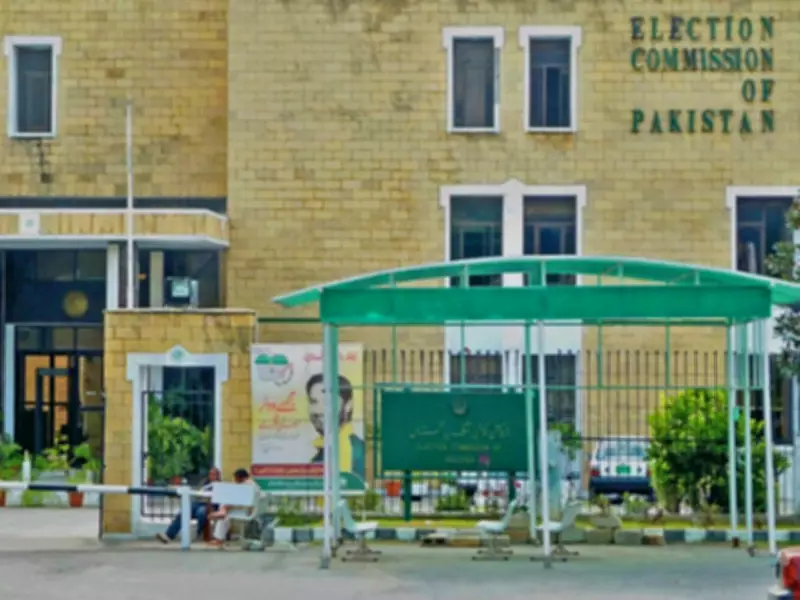
ECP Stands Firm on Delimitation Schedule, Rejects Delay Plea
The Election Commission of Pakistan (ECP) has made a decisive move by rejecting a formal plea seeking a delay in the ongoing delimitation process. This decision underscores the commission's unwavering commitment to adhering to the constitutional timeline for the upcoming general elections, ensuring that electoral boundaries are redrawn promptly and fairly across the nation.
Background and Constitutional Imperatives
The delimitation process, a critical step in Pakistan's electoral framework, involves the revision of constituency boundaries based on the latest population data from the census. This ensures equitable representation for all citizens in the legislative bodies. The ECP has been actively engaged in this task, following the completion of the 2023 digital census, which provided updated demographic insights necessary for accurate boundary adjustments.
In recent weeks, a plea was submitted to the ECP requesting a postponement of the delimitation activities. The applicants argued that additional time was needed to address potential discrepancies or logistical challenges. However, the commission, after thorough deliberation, concluded that any delay could jeopardize the electoral schedule and undermine public confidence in the democratic process.

ECP's Rationale and Public Assurance
In its official response, the ECP emphasized that the delimitation process is governed by strict constitutional and legal mandates. The commission highlighted that timely completion is essential to facilitate free, fair, and transparent elections. By rejecting the delay plea, the ECP aims to maintain momentum and prevent any disruptions that could affect the election timeline, which is closely monitored by political parties, civil society, and international observers.
The ECP stated, "Our priority is to uphold the integrity of the electoral process and ensure that all procedural steps are completed within the stipulated timeframe. Any unnecessary delays could compromise the democratic rights of the people." This stance reflects the commission's proactive approach to addressing electoral challenges while balancing efficiency with accuracy.
Implications for Upcoming Elections
The rejection of the delay plea has significant implications for Pakistan's political landscape. Political parties and candidates must now accelerate their preparations based on the revised constituency maps. This decision also signals the ECP's determination to conduct elections as per the constitutional schedule, potentially influencing campaign strategies and voter engagement efforts nationwide.
Moreover, the ECP's firm position may enhance its credibility as an independent body capable of managing electoral complexities. It reassures stakeholders that the commission is focused on delivering a smooth electoral cycle, from delimitation to polling day, without succumbing to external pressures or procedural bottlenecks.
Looking Ahead: Next Steps in the Electoral Process
With the delimitation process proceeding as planned, the ECP is expected to finalize and publish the new constituency boundaries in the coming weeks. This will be followed by other pre-election activities, such as voter registration updates and the allocation of election symbols. The commission has urged all political entities and the public to cooperate in ensuring a seamless transition to the election phase.
In conclusion, the ECP's rejection of the delay plea marks a pivotal moment in Pakistan's electoral journey. By prioritizing constitutional adherence and timely execution, the commission reinforces its role as a guardian of democratic norms, setting the stage for what promises to be a closely watched and highly consequential election period.