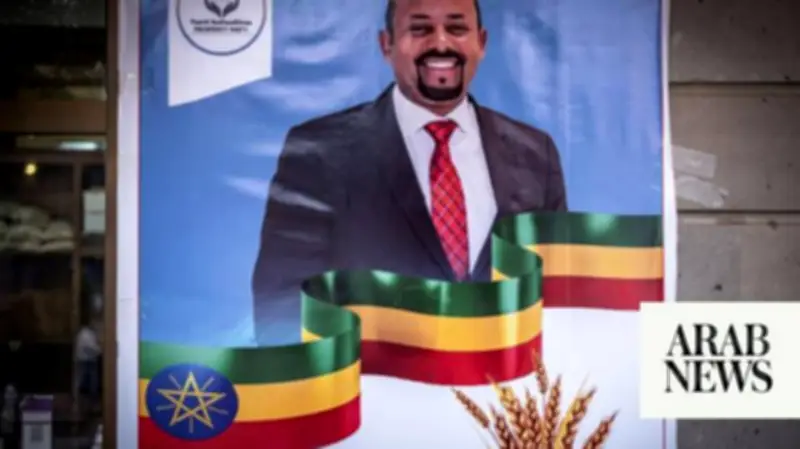
Ethiopian Prime Minister Abiy Ahmed's Prosperity Party (PP) has won a landslide victory in the legislative elections held on June 1, securing almost 90 percent of the seats, according to the National Elections Board (NEBE) chairperson Melatwork Hailu. The PP captured 438 of the 486 seats in the House of Peoples' Representatives, based on an AFP tally of the announced results, which cover roughly 90 percent of the contested seats.
Election Context and Turnout
Elections were held in 501 of the 547 constituencies across the country, with approximately 40 million people voting out of 54 million registered voters. The NEBE reported that 143 polling stations did not open on election day due to security concerns, and voting was interrupted in several locations in Amhara and Oromia regions, though no further details were provided. The PP was unopposed in 64 constituencies, and while more than 40 parties ran against it, most lacked financial backing. The best-represented opposition party, Ezema, fielded only 293 candidates compared to the PP's 461.
Security Disruptions and Regional Conflicts
Northern Tigray, still recovering from the devastating 2020-22 conflict that claimed 600,000 lives, did not vote. Growing tensions between local and federal authorities have raised fears of renewed conflict, with both sides deploying forces to the region's border and accusing each other of planning a new offensive. Polls were also not open in eight constituencies in Amhara, the second most populous region, where Fano nationalist militias—clashing with federal forces for over three years—had threatened to disrupt the electoral process. ACLED, a conflict monitoring NGO, reported that on polling day, the Fano engaged in at least 90 clashes with security forces across the region.

Violence in Oromia and Casualties
In Oromia, the most populous region, the rebel group Oromo Liberation Army (OLA) disrupted polls, attacking Orthodox Christians in the Arsi district. At least 11 civilians were killed in assaults over several days, with witnesses speaking to AFP suggesting the toll could be higher. ACLED documented eight armed clashes between the OLA and federal forces.
International Observation and Criticism
The African Union noted that the polls took place in a challenging security environment, particularly in parts of Oromia, Amhara, and Tigray. Critics argue that Ethiopia has never held truly free and fair elections, with those in power always winning by a wide margin. Since coming to power in 2018, Abiy Ahmed has overseen fast economic growth driven by a state-led construction boom and surging exports such as coffee. However, the World Bank reports that Ethiopia remains dependent on international aid, with 43 percent of the population living in poverty.
Next Steps: Formation of Government
Voters elected members of the House of Peoples' Representatives, who will then choose the prime minister from among their members. That vote is expected between the end of September and October. Abiy, who won the Nobel Peace Prize in 2019 for mending relations with neighboring Eritrea, faces increasing criticism for growing authoritarianism, a sharp contrast to his early years in office.