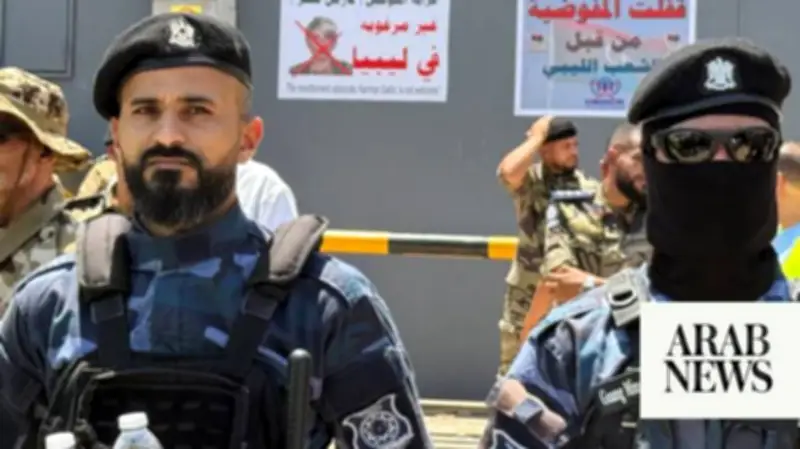
Amnesty International has accused the European Union of complicity in a severe crackdown on migrants and refugees in Libya, which has intensified over the past month with mass arrests, detentions, and expulsions. The rights group stated on Tuesday that the EU's long-standing support for the Libyan coast guard and its recent engagement with eastern armed groups implicates the bloc in human rights abuses.
Details of the Crackdown
According to Amnesty, authorities in both eastern and western Libya have escalated operations against migrants and refugees since late May 2026. The crackdown includes mass arrests across multiple cities, forced evictions, and the expulsion of hundreds of migrants, including nationals from war-torn Sudan, without allowing them to seek asylum or challenge their deportation. Libya has been a major transit route for people fleeing conflict and poverty toward Europe since the 2011 NATO-backed uprising that toppled Muammar Qaddafi.
EU's Role and Complicity
The EU and its member states have long supported and trained the Libyan coast guard, which intercepts migrants at sea. While the EU formally recognizes only the Tripoli-based government, it has also stepped up engagement with rival authorities in the east since last year. Amnesty's deputy regional director for the Middle East and North Africa, Diana Elahawy, stated: “The EU has long bankrolled migration control in Libya with its support to the Libyan Coast Guard, which has already made it complicit in horrific violations and abuses.” She added: “Extending this cooperation to eastern-based armed groups with records of committing war crimes and other abuses with impunity shows a shocking disregard, not only for international law, but also for human life and dignity.”

EU Defense and Response
The European Commission, the Libyan government in Tripoli, and the administration in the east did not immediately respond to requests for comment. However, EU officials have defended their cooperation with Libya as helping to save lives at sea and curb unlawful trafficking. In a letter to EU leaders last week, European Commission President Ursula von der Leyen said: “Continued EU engagement with Libya remains indispensable,” citing a rise in irregular crossings toward Greece via the Eastern Mediterranean route. She added: “We are providing targeted financial and operational support to strengthen border management, search-and-rescue and anti-smuggling capacities, and reduce illegal departures and the loss of lives at sea.”
Background and Context
Last summer, EU Migration Commissioner Magnus Brunner traveled to eastern Libya for talks with authorities there but was expelled shortly after arrival. The situation highlights the ongoing challenges in Libya, where control is split between rival western and eastern factions. The EU's support for the Libyan coast guard has been a point of contention, with critics arguing it enables abuses against migrants. The recent crackdown marks a significant escalation, with Amnesty calling for an end to EU complicity.