PARIS: The Iran war was initially seen as a potential catalyst for the Islamic republic's collapse, but months of fighting failed to dislodge the clerical leadership and left its opponents isolated. US President Donald Trump launched the war with Israel on February 28, claiming it would enable Iranians to rise up, after having supported anti-government protests that peaked in January—the most serious challenge to the Islamic republic in years.
Opposition Movements Fractured
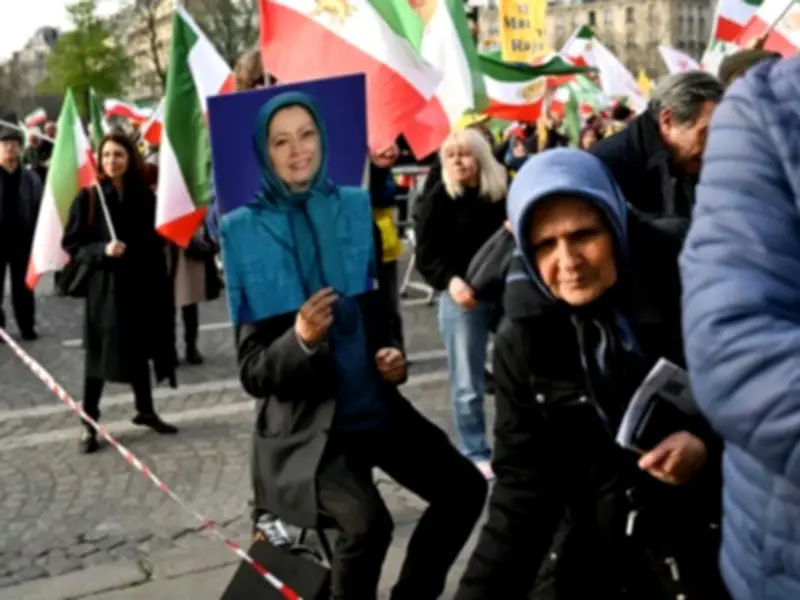
The fractured opposition movements outside Iran scrambled to position themselves as successors to the ruling system when the war began with the killing of the supreme leader in US-Israeli strikes. However, the Islamic republic emerged from the conflict intact, with opposition groups abroad more divided than ever and dissidents inside Iran facing a new wave of repression, according to experts and rights groups.
Reza Pahlavi, the exiled son of the last shah, failed to become a unifying figure, while prominent dissidents inside Iran, including Nobel laureate Narges Mohammadi, remain under pressure from the authorities.

Failed to Seize the Moment
“There could have been an extra motivation for the various factions in opposition to really try to seize the moment… but that has simply not been the result,” said University of Ottawa professor Thomas Juneau. “If anything, infighting among the opposition in exile has intensified,” he added, while domestic opposition “has been severely weakened” after decades of repression.
Some inside Iran had voiced hope for foreign intervention after nationwide protests spurred by severe economic pains ended in a violent crackdown that rights groups say killed thousands. But hope dimmed as the Islamic republic not only endured but imposed fresh security crackdowns and an internet blackout, which, along with the war's death and destruction, deepened economic suffering.
War as Pretext for Repression
“This war was never about the human rights of the Iranian people,” said Mahmood Amiry Moghaddam, director of the Norway-based NGO Iran Human Rights, as authorities instead “used the war as a pretext to intensify domestic repression.” He added, “Democratic change must come through the Iranian people, not through foreign military intervention.”
US Vice President JD Vance insisted this week that the war was about ending Iran's nuclear programme and that Trump's stance had always been that if the “Iranian people want to rise up, great. That's their business.” Still, Iranians inside the country and opposition leaders have voiced a sense of betrayal at the US-Iran deal to end the war.
Sense of Betrayal
“However hard they try to decorate the deal in pretty bows, it will only empower them (the Islamic republic) to oppress us more,” said Tehran resident Sima, 34, who did not give her full name for fear of reprisal. “Any form of peace with the Islamic republic would feel like making peace with my executioner.”