Israeli police have initiated a controversial recruitment drive targeting far-right officers to serve at the Al-Aqsa Mosque compound in Jerusalem, according to a recent report. The move has sparked concerns among Palestinian leaders and human rights groups, who view it as a provocation that could escalate tensions in the already volatile region.
Details of the Recruitment Plan
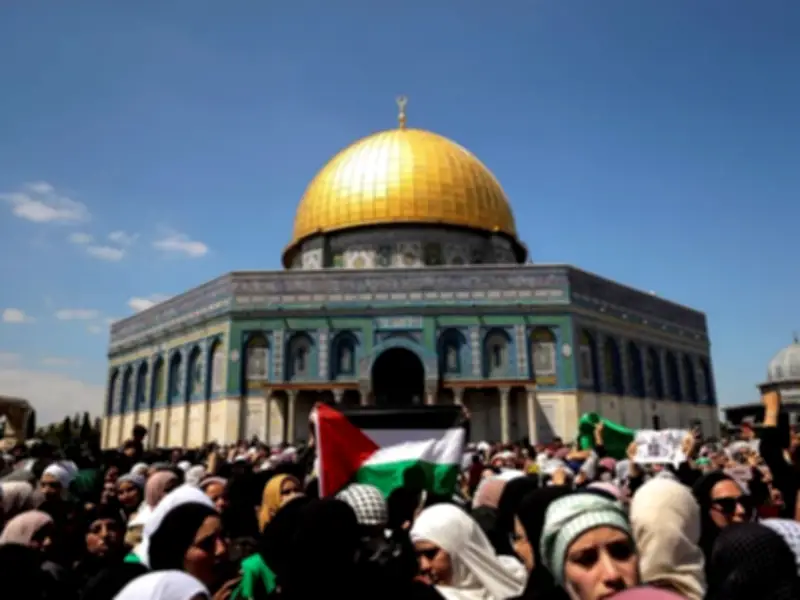
The recruitment effort reportedly focuses on officers with known far-right affiliations, aiming to bolster security at the compound, which is one of the most sensitive religious sites in the world. The Al-Aqsa Mosque, located in the Old City of Jerusalem, is the third holiest site in Islam and is also revered by Jews as the Temple Mount. The compound has been a flashpoint for Israeli-Palestinian violence for decades.
According to the report, the Israeli police have been actively seeking candidates who align with far-right ideologies, particularly those who support aggressive measures against Palestinian worshippers. This marks a significant shift from previous policies, which sought to maintain a more neutral security presence at the site.

Reactions from Palestinian and International Bodies
Palestinian officials have condemned the recruitment drive, calling it a dangerous escalation that undermines the status quo at the holy site. The Palestinian Authority has urged the international community to intervene and pressure Israel to reverse the decision. Human rights organizations have also voiced alarm, warning that the presence of far-right officers could lead to increased violence and human rights abuses.
Jordan, which serves as the custodian of the Al-Aqsa compound, has expressed deep concern over the development. A spokesperson for the Jordanian government stated that any change in the security arrangements at the site could destabilize the region and violate international agreements.
Implications for the Region
The recruitment of far-right officers is likely to exacerbate tensions in Jerusalem, which has already seen a surge in violence in recent months. Analysts fear that the move could trigger widespread protests and clashes between Palestinians and Israeli security forces. The international community, including the United Nations and the European Union, has called for restraint and adherence to the historic status quo at the holy site.
Israeli officials have defended the recruitment, arguing that it is necessary to maintain order and security at the compound. However, critics contend that the policy is driven by political considerations and could have dangerous consequences for peace and stability in the region.