A new report from the UN Human Rights Office has revealed that Myanmar's military was responsible for more than 700 civilian deaths over the six-month election period last year. The report, covering August to January, states that credible sources have verified a minimum of 702 people were killed, including 224 women and 153 children. This period coincides with the military's announcement of elections, which were widely criticized as a sham due to the exclusion of main opposition parties.
Air strikes remain the single largest cause of destruction
The report highlights that air strikes "remained the single largest cause of destruction and suffering." The Sagaing region was identified as the "most dangerous region for civilians as the military pressed to gain ground," with 191 deaths, including 60 women and 30 children. In one attack on October 23, 23 people, including four children, were killed and more than 60 others wounded when munitions struck civilians gathered in front of a school in Chaung-U, Sagaing. According to the report, "At the time of the attack, participants were holding a candlelit event to celebrate the end of Buddhist Lent, and to call for the release of political prisoners, oppose military conscription and reject military elections."
Tea shop bombing kills 19 during football match
In December, the report says a military aeroplane bombed a tea shop in Tabayin, Sagaing, as people had gathered to watch a football match, killing at least 19 and wounding 20 others. The report also references abuse of Rohingya people, who have been exposed to forced recruitment by the Arakan Army, as well as killings, arbitrary arrests, and sexual violence.

International assistance decline compounds suffering
The report warns that a "decline in international assistance is further compounding the suffering of millions of people." UN Human Rights Chief Volker Türk stated, "As if the people of Myanmar have not suffered enough at the hands of the military, they have now seemingly been forgotten by those outside the country. Funding for localised protection efforts was in many areas the only solace from the suffering caused by constant targeting and indiscriminate attacks by the military. This pullback just compounds that injury."
Background of the coup and civil war
Myanmar's military launched its coup in 2021, sparking a civil war that has killed thousands and displaced millions. Large areas of the country remain under the control of armed opposition groups. The military seized power from the democratically elected government, jailing its leader Aung San Suu Kyi. More than two years ago, rebels made sweeping gains, but they have since been put on the back foot. Forced conscription and increased drone power have put the military on the offensive in most parts of the country.
Sham elections and political repression
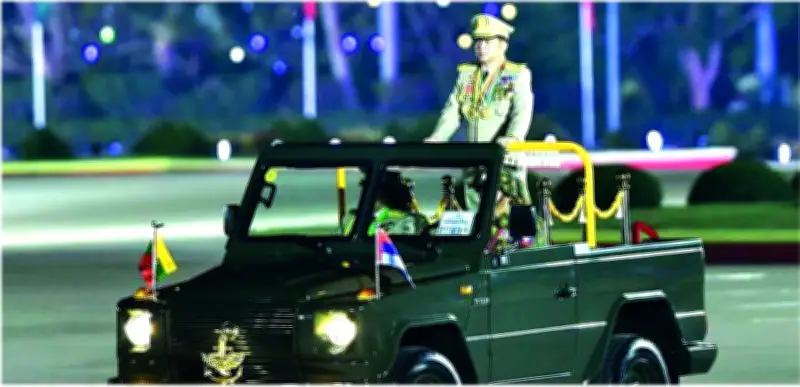
In April, General Min Aung Hlaing, who launched the coup, became president. The election was a foregone conclusion, with many popular parties banned from standing and large areas of the country not allowed to participate due to the civil war. The parliament is filled with his loyalists. The armed forces are guaranteed one quarter of the seats, and the military's own party, the USDP, won nearly 80% of the remaining seats in an election heavily tilted in its favor.