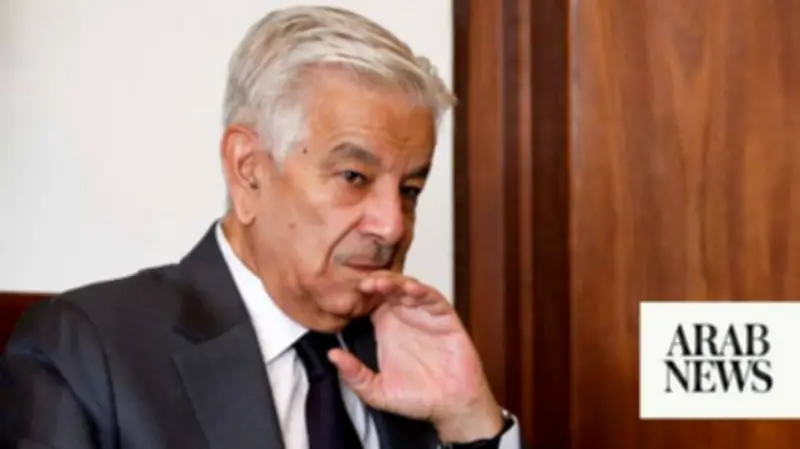
Pakistan's Defense Minister Khawaja Asif has called on protesters in Azad Jammu and Kashmir (AJK) to show unwavering loyalty and complete obedience to the state as a prerequisite for dialogue, following violent clashes that have reportedly claimed 20 lives this week.
Background of the Unrest
Azad Kashmir, the Pakistani-administered part of the disputed Himalayan region, has experienced violent demonstrations by supporters of the Joint Awami Action Committee (JAAC), an anti-government movement demanding economic and governance reforms. The group was banned under anti-terrorism laws last week, but protests have continued. A key demand of the JAAC is the abolition of 12 assembly seats reserved for refugees from Indian-administered Kashmir living in Pakistan.
Casualties and Clashes
According to AFP, at least 20 people have been killed in clashes between JAAC supporters and law enforcement this week. The deaths include seven in Kotli, 12 in Rawalakot, and one in Mirpur. Azad Kashmir police confirmed that among the dead were three police officers in Rawalakot and a paramilitary soldier. Police accused JAAC supporters of attacking a military-run hospital in Rawalakot, leading to a confrontation, a claim denied by the JAAC, which blamed law enforcers for resorting to violence.

Defense Minister's Statement
In a post on social media platform X on Saturday night, Asif wrote: "Dialogue begins with loyalty and complete obedience to the state." He further urged "some misguided brothers in Azad Kashmir, who these days appear to be following a certain agenda, should read Article 5 of Pakistan's constitution that requires unwavering loyalty to the state."
Political Context
The unrest comes ahead of legislative elections scheduled for July 27 in Azad Kashmir. The JAAC argues that the 12 reserved seats allow Pakistan's mainstream political parties to influence government formation in AJK and has demanded their immediate abolition. However, the group's campaign suffered a setback last Sunday when the region's Supreme Court ruled that the seats enjoy constitutional protection and cannot be abolished through executive or administrative action.