Positive Progress in Doha Talks
Pakistani and Qatari mediators concluded separate meetings with US and Iranian negotiators in Doha, achieving “positive progress” on issues related to the Islamabad Memorandum of Understanding (MoU), the Qatari foreign ministry said on Thursday. Tehran had insisted there would be no direct negotiations in Doha on the US-Iran interim peace deal, signed on June 18 and known as the Islamabad MoU, which aimed to end the war that began with US-Israeli strikes on Iran in late February.
The interim agreement included a 60-day ceasefire, the reopening of the blockaded Strait of Hormuz, a timetable for a final deal on the war and Iran’s nuclear program, immediately allowing Tehran to sell its oil freely in a major concession from Washington.
Building on Lake Lucerne Summit
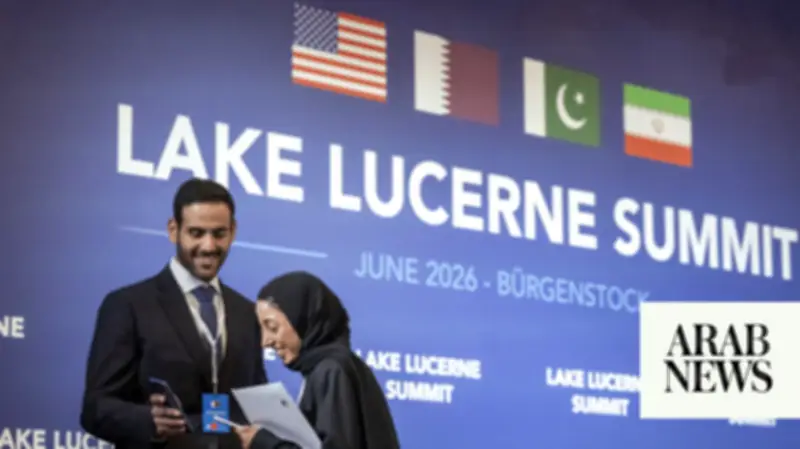
Qatari foreign ministry spokesman Dr. Majed Al-Ansari said the meetings in Doha built on the outcomes of the Lake Lucerne Summit, which brought together senior representatives of the US, Iran, Qatar and Pakistan to advance diplomatic dialogue. “The parties agreed to continue discussions over the coming period, with the next meeting to be scheduled at the earliest possible time following the funeral processions of the former Iranian Supreme Leader,” he said on X.

Since the US-Iran deal was signed last month, the sides have exchanged fire in the Gulf, underscoring the difficulty of turning the initial truce into a lasting settlement. Tehran targeted a commercial ship it said had strayed from its approved route through the Strait of Hormuz, and US Central Command responded by saying it had struck 10 Iranian military targets. Iran then hit US bases in Kuwait and Bahrain, drawing condemnation from Gulf states.
Trump Expresses Optimism
US President Donald Trump said on Wednesday that indirect talks with Iran in Qatar were making progress, offering a tentative sign that diplomacy was holding after recent exchanges of fire threatened efforts to end the Middle East war. “As far as things are going, the denuclearization of Iran is moving along well,” Trump told reporters before boarding Air Force One. “We hit them very hard... but we’re getting along very well.”
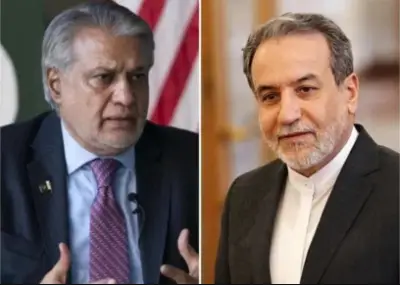
Iran’s Deputy Foreign Minister Kazem Gharibabadi, who led Tehran’s delegation at Doha meetings, later said the talks had concluded and that the sides had agreed to establish a communication channel by Thursday to report and record violations of their initial memorandum of understanding, AFP reported. Gharibabadi said the discussions also covered frozen Iranian assets, whose release Tehran has demanded as part of any settlement.
Technical Talks and Key Issues
US envoys Jared Kushner and Steve Witkoff were not taking part in the technical talks, a diplomat told AFP, after meeting Qatar’s Prime Minister Sheikh Mohammed bin Abdulrahman Al-Thani. Iran’s chief negotiator Mohammad Bagher Ghalibaf said Tuesday that “when a war of this magnitude comes to an end... it is inevitable that there will be implementation challenges, incidents and differences of opinion, especially where parties such as the Israeli regime are concerned.” He said Iran’s delegation in Doha would focus on implementing clauses related to Hormuz and the fighting in Lebanon.
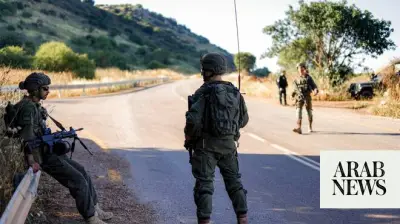
The exchanges of fire appeared to have eased in the days before the Qatar talks, with oil prices falling as markets took encouragement from the continued US-Iran engagement. On the Lebanon front, fighting between Israel and Hezbollah has also been relatively quiet. Iran-backed Hezbollah drew Lebanon into the wider Middle East war in March with rocket fire at Israel, triggering Israeli airstrikes and a ground invasion. Tehran has insisted any final deal should include an end to the Lebanon conflict and the withdrawal of Israeli troops from the south, part of which they occupy.