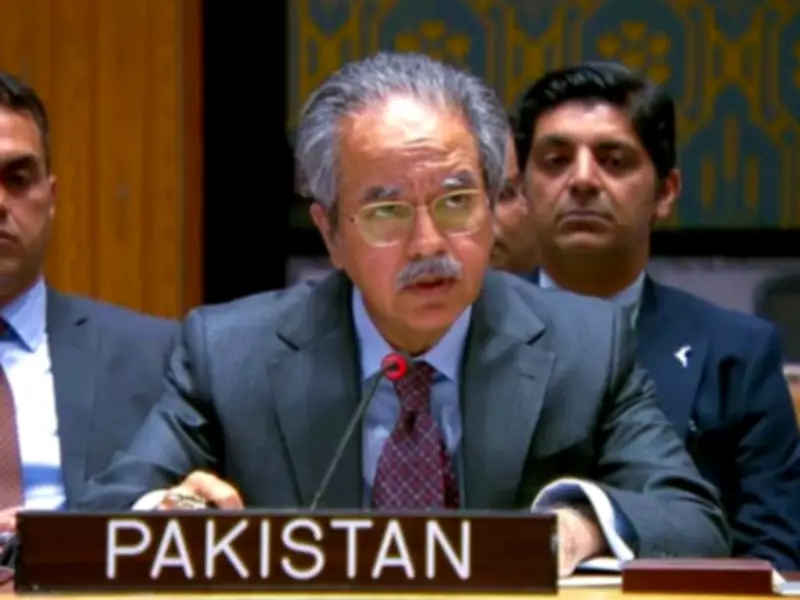
Pakistan has intensified its diplomatic engagement with key regional and international stakeholders to facilitate the follow-up and implementation of the Islamabad Memorandum of Understanding (MoU) between Iran and the United States, aimed at ending the Middle East conflict. This was stated by Pakistan's permanent representative to the UN, Ambassador Asim Iftikhar Ahmad, during an emergency session of the United Nations Security Council (UNSC) convened by Bahrain.
Pakistan's Stance on Diplomacy and Conflict Resolution
Ambassador Ahmad emphasized that Pakistan has consistently believed that the only way to settle the situation in the region conclusively and comprehensively is through diplomacy, dialogue, and negotiations. He reiterated Pakistan's principled position on the inadmissibility of any use of force outside the bounds of international law, condemning unwarranted strikes against Iran and those targeting Gulf Cooperation Council (GCC) countries.
Solidarity with Bahrain and Kuwait
Pakistan expressed full solidarity with Bahrain and Kuwait, condemning attacks against GCC countries. The ambassador stated that Pakistan has been engaged from the beginning under the firm conviction that any further escalation would only exacerbate human suffering and carry grave consequences for regional and international peace and security.

Diplomatic Efforts and Regional Stability
The Islamabad MoU, which outlines steps for de-escalation and conflict resolution, has been a key focus of Pakistan's diplomatic efforts. Pakistan has been working closely with Iran, the United States, and other stakeholders to ensure the implementation of the MoU and to prevent further escalation in the Gulf region.