Pakistan on Saturday called for restraint to defuse fresh tensions in the Middle East, urging all parties to resolve their differences through diplomacy. The development followed extensive strikes by the United States on Iran this week after Tehran’s attacks on ships in the Strait of Hormuz, triggering a wave of reprisals against American interests in Gulf countries, including Qatar, Bahrain and Kuwait.
Shehbaz Sharif Engages with Qatar and Iran
Pakistan Prime Minister Shehbaz Sharif spoke over the phone with Qatar’s emir Sheikh Tamim bin Hamad Al-Thani and expressed his “deep concern over the recent escalation in tensions in the region,” according to Sharif’s office. “While conveying Pakistan’s solidarity and support with the people of Qatar on the recent attacks, the Prime Minister stressed upon all parties to exercise restraint and refrain from any actions that could undermine peace in the region,” Sharif’s office said in a statement.
The renewed tensions have raised concerns that the region could tip back into a war that would engulf several countries and could halt energy shipments through the strait that are crucial for the global economy. US President Donald Trump said Friday he had agreed to further negotiations with Iran, even as he repeated his assertion that the ceasefire between them was over. While there have been no direct talks between Iran and the United States since last month, Iranian media reported that a delegation from mediator Qatar was in Tehran after the warring sides exchanged strikes again this week.

Pakistan’s Role as Mediator
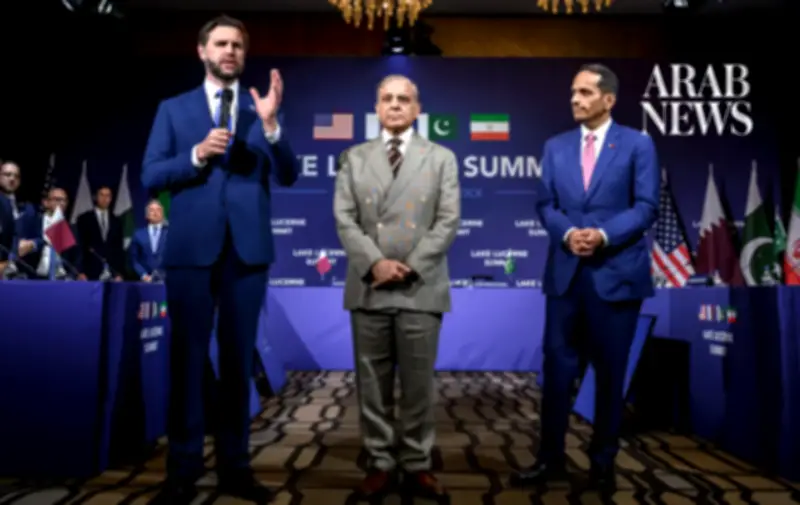
Pakistan, which emerged as a key intermediary, on Friday urged the United States and Iran to uphold their commitments under the interim peace framework. Sharif also spoke by telephone with Iranian President Pezeshkian to discuss the recent situation following the latest hostilities. “We discussed the evolving regional situation and underscored the imperative of restraint, dialogue and diplomacy to safeguard the hard-earned peace gains of recent months,” Sharif said in a post on X. “I reaffirmed Pakistan’s readiness to continue playing its role as an honest and sincere mediator for lasting regional peace,” he added.
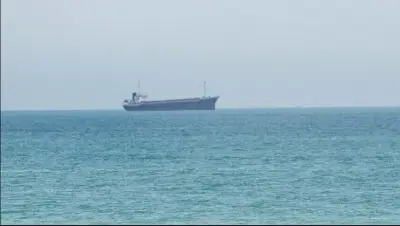
The US said the strikes were intended to “further degrade” Iran’s ability “to threaten freedom of navigation” in the strait, through which a fifth of the world’s traded oil and natural gas passed before the war began with US and Israeli attacks on Feb. 28. Traffic has picked up somewhat since a tentative deal last month included opening the waterway. Maritime data company Lloyd’s List Intelligence said Thursday that preliminary data showed at least 576 ships passed through the strait in June, compared with 233 in May. More than 3,100 transited the strait in June 2025.
Impact on Global Energy Shipments
The Strait of Hormuz is a critical chokepoint for global energy supplies, and any disruption could have severe economic consequences. The recent escalation has heightened fears of a broader regional conflict that could draw in multiple countries and severely impact oil and gas transit. Pakistan’s diplomatic efforts underscore its strategic position as a mediator between the US and Iran, building on its historical role in facilitating dialogue.