Pakistan Condemns Attacks on Gulf States, Pushes Diplomacy
Pakistan yesterday reaffirmed its commitment to preventing a broader conflict in the Middle East, announcing that it had stepped up diplomatic engagement following attacks on Bahrain and Kuwait. Addressing a meeting of the United Nations Security Council (UNSC), Pakistan’s Permanent Representative to the United Nations, Asim Iftikhar Ahmad, warned that any further military escalation could have far-reaching consequences for regional and global peace and security.
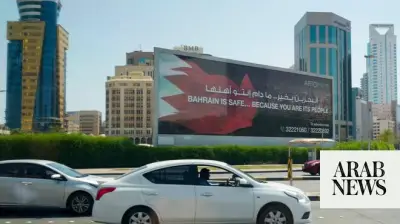
The UNSC session was convened at the request of Bahrain following recent Iranian missile and drone attacks targeting United States military installations in Kuwait and Bahrain, raising fears of a wider regional confrontation. The Pakistani envoy unequivocally condemned the attacks against member states of the Gulf Cooperation Council and reiterated Pakistan’s unwavering solidarity with Bahrain and Kuwait.
Pakistan's Stance on Sovereignty and Humanitarian Concerns
“Pakistan has been categorically condemning attacks against the GCC countries and once again expresses its full solidarity with our brothers and sisters in Bahrain and Kuwait,” Ahmad told the Security Council, stressing Islamabad’s principled support for the sovereignty and territorial integrity of Gulf states. Warning against any further escalation, he said continued hostilities would only deepen humanitarian suffering while posing serious risks to regional and international stability.

“Any further escalation and continuation in fighting would only exacerbate human suffering and carry grave consequences for regional and international peace and security,” he said, adding that Pakistan was continuing to facilitate dialogue and confidence-building measures designed to prevent further deterioration of the security situation.
Strait of Hormuz Tensions and Diplomatic Initiatives
The heightened diplomatic activity comes amid renewed international efforts to stabilize the Gulf following recent tensions surrounding the strategically vital Strait of Hormuz. As part of an interim understanding between Iran and the United States, commercial vessels were allowed to transit the waterway without paying transit charges for a period of 60 days. However, Tehran subsequently asserted that it should retain authority over maritime routes and impose fees on ships passing through the strait after the interim period, a position opposed by Washington and several Gulf Arab states.
The disagreement over navigation rights prompted renewed diplomatic initiatives, including efforts led by Oman and a United Nations agency to establish an alternative maritime route closer to Omani territorial waters. The initiative, however, coincided with a fresh wave of attacks across the Middle East last weekend, underscoring the fragile security environment and the risk of a broader regional conflict.
Pakistan and Qatar Mediate Talks in Doha
Pakistan has simultaneously intensified its mediation efforts alongside regional partners. According to the Foreign Office, Pakistani and Qatari mediators recently concluded separate rounds of discussions in Doha with delegations representing the United States and Iran. Officials described the talks as constructive, reporting positive progress on issues related to the Islamabad Memorandum of Understanding, an initiative aimed at ending the conflict that erupted following US-Israeli strikes on Iran earlier this year.
The interim framework reportedly includes a 60-day ceasefire, the reopening of the Strait of Hormuz to commercial navigation, a roadmap for negotiations on a comprehensive peace agreement, and discussions concerning Iran’s nuclear programme. The arrangement also envisages the resumption of unrestricted Iranian oil exports as part of confidence-building measures intended to support broader negotiations.

Cautious Optimism from US and Iran
Recent statements from both Washington and Tehran have indicated cautious optimism regarding the diplomatic process. United States President Donald Trump said indirect negotiations taking place in Doha were showing encouraging signs of progress. Meanwhile, Iran’s Deputy Foreign Minister, Kazem Gharibabadi, announced that the two sides had agreed to establish a formal communication mechanism to monitor, document and address any violations of the initial memorandum of understanding.
Concluding his remarks before the Security Council, Ambassador Ahmad emphasized that diplomatic engagement remained the only viable path toward restoring stability in the region. “The channels of communication remain open, and we are persisting in our efforts geared toward ushering peace, security, and tranquility that will benefit the entire region and all countries without exception,” he said, reiterating Pakistan’s commitment to dialogue, de-escalation and a peaceful resolution of the ongoing crisis.