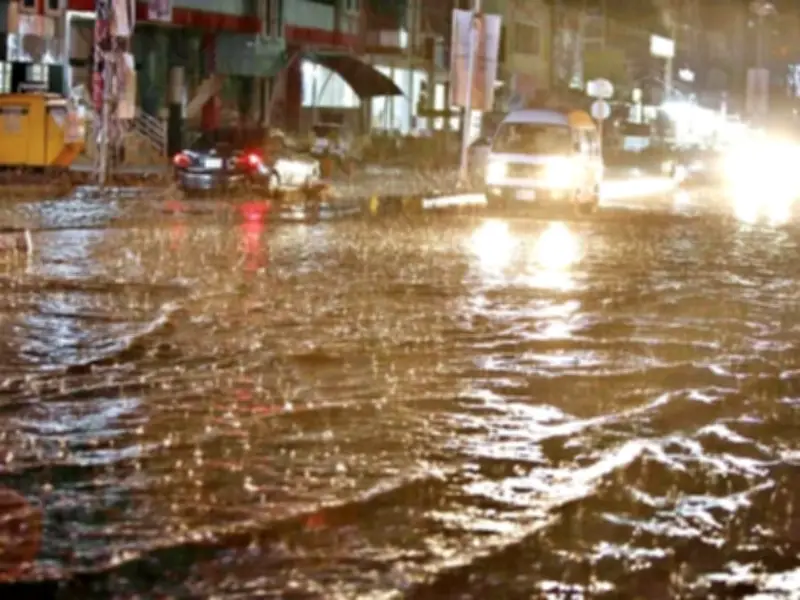
A high-level meeting convened at the Chief Minister House in Karachi on Friday assessed Sindh's readiness for floods, urban flooding, heatwaves, and other weather-related emergencies as the monsoon season approaches its peak and climate risks intensify. The session evaluated early warning systems, inter-agency coordination, and response capacity to protect lives, livelihoods, and critical infrastructure during the ongoing monsoon.
Federal and Provincial Officials Review Climate Trends
Federal and provincial officials examined climate trends, potential disaster scenarios, and vulnerable districts across the province. Particular concern was expressed over riverine flooding in Kashmore, Ghotki, Sukkur, Shikarpur, and Larkana; flash floods in Dadu, Jamshoro, and Qambar Shahdadkot; and urban flooding risks in Karachi, Hyderabad, Shaheed Benazirabad, Badin, Sujawal, and Thatta.
Officials warned that Pakistan faces rising threats from climate change, including glacial lake outburst floods, cloudbursts, cyclones, droughts, and sea-level rise. Forecasts indicate above-normal temperatures and an active monsoon spell from July 15 to August 30.

NDMA's Shift to Forecast-Based Disaster Intelligence
Briefing the participants, the National Disaster Management Authority (NDMA) highlighted a shift towards forecast-based disaster intelligence, enabling real-time monitoring and impact-based advisories through integrated national and global data systems. This approach aims to enhance preparedness and response by providing timely and accurate information to authorities and communities at risk.
The meeting underscored the need for improved coordination among federal, provincial, and local agencies to ensure effective disaster management. Emphasis was placed on strengthening early warning systems, conducting regular drills, and ensuring the availability of resources such as rescue equipment, relief supplies, and emergency shelters in vulnerable areas.
Vulnerable Districts and Potential Impact
The officials identified specific districts at high risk of flooding and other climate-related disasters. Riverine flooding is a major concern in Kashmore, Ghotki, Sukkur, Shikarpur, and Larkana, while flash floods pose threats to Dadu, Jamshoro, and Qambar Shahdadkot. Urban flooding is a significant risk in Karachi, Hyderabad, Shaheed Benazirabad, Badin, Sujawal, and Thatta, where drainage systems may be overwhelmed by heavy rainfall.
The meeting also discussed the potential impact on agriculture, infrastructure, and public health. Prolonged flooding can damage crops, disrupt transportation, and increase the risk of waterborne diseases. Heatwaves, which are also a concern, can lead to heat-related illnesses and strain the power grid.
Call for Proactive Measures
Participants called for proactive measures to mitigate the impact of extreme weather events. This includes clearing drainage channels, reinforcing embankments, and ensuring that emergency services are on high alert. Public awareness campaigns were also recommended to educate communities about safety measures during floods and heatwaves.
The meeting concluded with a commitment to regularly review the situation and adjust response plans as needed. The officials stressed the importance of data-driven decision-making and the use of technology to improve disaster management capabilities.