President Donald Trump on Saturday credited Pakistan with “really helping” the United States secure a peace deal with Iran, which took effect this week following weeks of Pakistani-mediated talks.
Trump’s Remarks on Pakistan’s Role
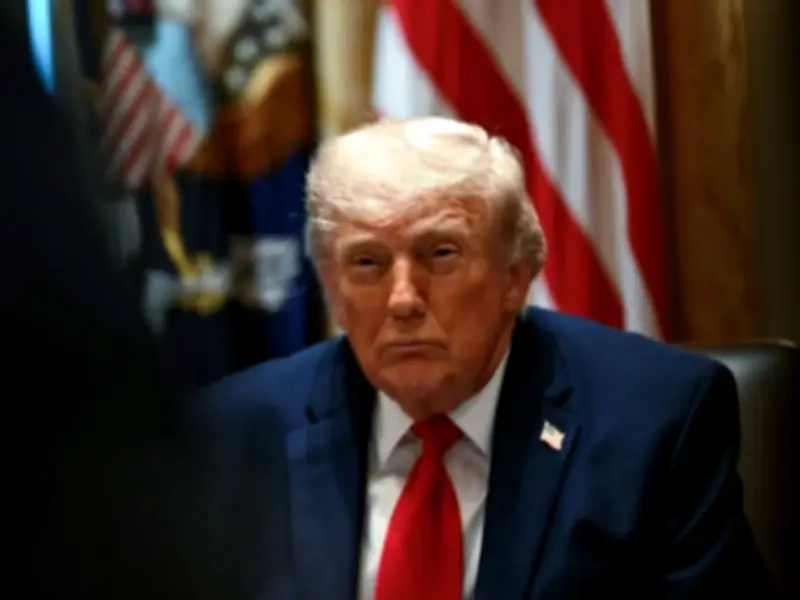
In an interview with Axios, an American media outlet, Trump stated that Pakistani leaders leveraged their deep familiarity with Iranian counterparts, playing a vital role in a complex negotiation process that often involved difficult decisions by both sides.
“But they really helped us with this deal. They knew the Iranians. They knew the people. They were good,” he said while lauding Pakistani leaders. The president was responding to a question about world leaders and their leverage.

Leaders Praised by Trump
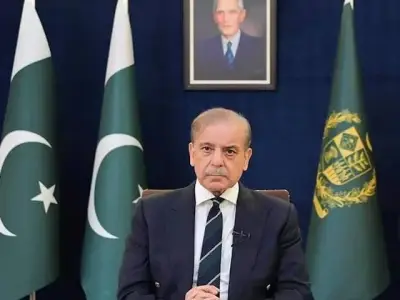
Trump said there are different kinds of leaders in the world, naming Chinese President Xi Jinping, among others, whom he called great leaders. “In Pakistan, you have Field Marshal Asim Munir, who is great, and you have the Prime Minister Shehbaz Sharif, and they just get along great,” he said, continuing his reply to the question.
“The military guy,” Trump added, “totally respects the prime minister. It’s a beautiful thing to see.”
The Islamabad Memorandum of Understanding
The agreement has been named the “Islamabad Memorandum of Understanding” in recognition of Pakistan’s role in facilitating negotiations through several uncertain phases since April.
In addition to helping broker the first ceasefire between Washington and Tehran on April 7, Pakistan hosted the first round of talks between the two sides on April 11. The meeting marked the first high-level face-to-face engagement between US and Iranian officials since the 1979 Islamic Revolution severely disrupted relations between the two countries.
Background of the Conflict
The conflict erupted on February 28, when the US and Israel launched coordinated strikes against Iran. In retaliation, Tehran unleashed a barrage of strikes on its energy-rich Gulf neighbours, accusing them of facilitating the US attacks. The conflict toppled energy markets as oil and gas shipments through the Strait of Hormuz stalled for several months.
Details of the 14-Point Agreement
Under the 14-point agreement, the US has lifted its naval blockade of Iranian ports, and Tehran has also allowed ships to transit through the key waterway. Next, the two sides will hold more negotiations over 60 days to address the issue of Iran’s nuclear stockpile.
Meanwhile, Israeli aggressive actions in Lebanon continue to pose a major challenge to the follow-up negotiations.