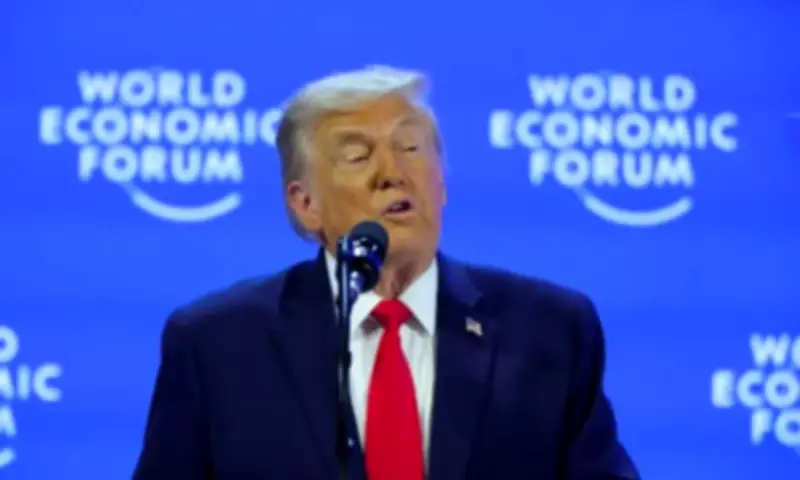
Former US President Donald Trump has intensified his verbal assaults on European leaders, further straining the already fragile transatlantic relationship. In a series of recent statements, Trump criticized key figures such as German Chancellor Olaf Scholz and French President Emmanuel Macron, accusing them of undermining NATO and failing to meet defense spending commitments.
Escalating Rhetoric
Trump's attacks come amid ongoing debates over burden-sharing within the alliance. He reiterated his stance that European nations must increase their defense budgets to 2% of GDP, a target many have yet to achieve. The former president's harsh words have sparked concern among diplomats who fear a potential rift in Western unity, especially with ongoing conflicts in Ukraine and the Middle East.
European Reactions
European leaders have responded with a mix of caution and defiance. Chancellor Scholz emphasized Germany's commitment to NATO while noting that defense spending is rising. President Macron defended Europe's strategic autonomy, stating that the continent must not be dependent on any single power. Meanwhile, some officials worry that Trump's rhetoric could embolden populist movements within Europe that are skeptical of the alliance.

The frosty tone marks a significant shift from the traditionally warm transatlantic partnership. Analysts suggest that if Trump returns to power, the relationship could face even greater challenges, potentially affecting trade, security, and climate cooperation. The situation underscores the need for both sides to engage in constructive dialogue to prevent further deterioration.