A monumental agreement has been reached between the United States and Iran, bringing an end to decades of hostility and conflict. This historic breakthrough, which will be formalized at a signing ceremony in Switzerland on Friday, owes much to Pakistan's diplomatic efforts. Islamabad's role as host and mediator has cemented its reputation as a crucial force for global peace.
Key Features of the Preliminary Deal
The preliminary accord includes a framework to end the war, lift the US blockade of Iran, and reopen the Strait of Hormuz. The contentious issue of nuclear enrichment has been deferred for future negotiations. Iran's commitment, on moral grounds, not to pursue nuclear weapons has been a pivotal factor in securing American reciprocity. Additionally, the suspension of military operations on all fronts, including Lebanon, has provided Tehran with a significant concession. Other critical elements involve lifting sanctions on Iran and establishing a roadmap for sustainable peace in the Middle East.
Pakistan's Diplomatic Triumph
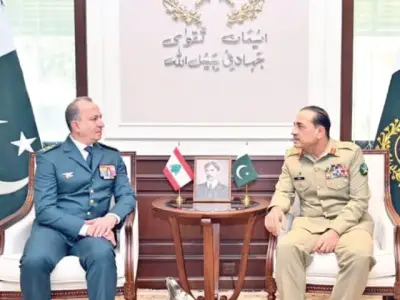
Pakistan's unwavering dedication to bridging the divide between the two adversaries has been instrumental. Hosting the inaugural round of Islamabad Talks allowed the nation to harness the synergies of both sides and maintain the momentum of the peace process. Field Marshal Asim Munir played a key role, undertaking two visits to Tehran and maintaining close contact with the White House. This achievement marks a significant shift from the rhetoric of destroying "a whole civilization" to assured prospects of reconciliation.

International Support
The Gulf states, Iran, and the US managed to avoid a collision course, despite occasional grandstanding. China acted as an honest interlocutor, while Russia provided alternative support for oil supplies. European states refused to engage in jingoism and courageously differed with their strategic ally, the US, marking a new era in multilateralism. Türkiye, Qatar, and Oman also demonstrated profound commitment as catalysts for peace.
Challenges Ahead
Now, the focus must be on converting this broad-based understanding into a final agreement within the stipulated two-month timeline. It is crucial to ensure that Israel does not undermine the hard-earned progress. President Trump's leadership will be tested in this regard. The Gulf states and Iran must also strike bilateral accords to reduce mistrust and work collectively for a region at ease in supply chain and free from geopolitical irritants.