Why the US Avoids Bringing Ebola Patients Home
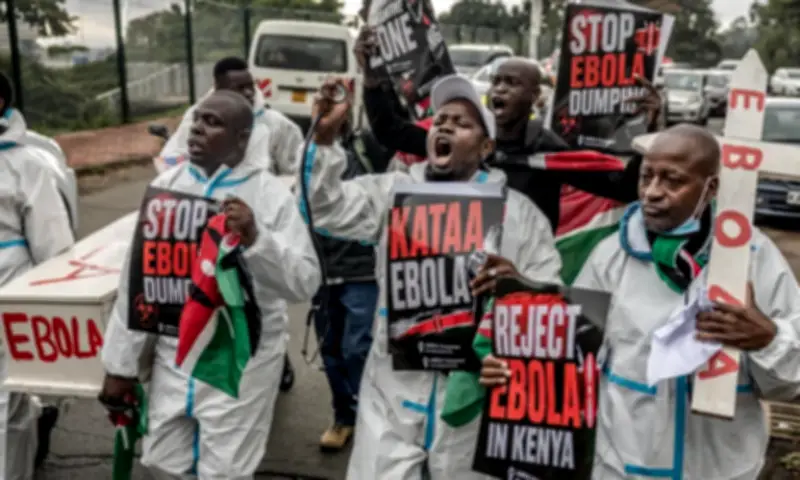
As global concern about an Ebola outbreak in central Africa intensifies, hundreds of Kenyans have taken to the streets to protest a plan by the Trump administration to send American citizens exposed to the virus to Kenya instead of bringing them back to the United States. Tragically, two people have been shot and killed during these protests.
The Outbreak and Kenya's Role
The outbreak began in the Democratic Republic of Congo last month and has since spread to Uganda. Kenya, which shares a border with Uganda, currently has no confirmed cases. Kenyans are demanding answers about why the US wants to send Ebola patients to their country and why their government initially approved the construction of a 50-bed quarantine facility at the Laikipia Air Base in central Kenya. The plan is currently on hold after a Kenyan court extended its suspension until at least June 23 and ordered the government to disclose details of its arrangement with the Trump administration, including financial agreements and protective measures.
Public Health Concerns
Public health workers fear that cuts to American foreign aid, the aggressiveness of this Ebola strain, and conspiracy theories threatening health workers have created a perfect storm. In a conversation with Today, Explained co-host Noel King, Wall Street Journal reporter Sabrina Siddiqui discussed the reactions and potential outcomes if Kenya continues to resist.

The US Plan
The administration aims to set up a quarantine facility at a Kenyan air force base to house Americans exposed to Ebola, with potential isolation and biocontainment units. Public health officers have been deployed, but if Americans test positive, they might stay only a few days before being transferred to facilities in Europe. The US has stated it does not want any Ebola cases within its borders during this outbreak.
Historical Context and Expert Criticism
In previous outbreaks, Americans were allowed to return home and receive care at US biocontainment units. Public health experts find the current approach baffling, emphasizing the US responsibility to care for its citizens and allow them access to support systems. The lack of a medical rationale for the policy has drawn criticism.
Kenyan Reaction
Kenyans, including medical groups, fear that bringing exposed Americans could spark an outbreak in their country. A lawyer involved in the legal challenge asked, “Is Kenya being reduced to a dumping site?” The government’s agreement with the US has been met with widespread disapproval.
Administration's Pattern
The Trump administration has adopted aggressive quarantine measures for both Ebola and hantavirus outbreaks, despite previous criticism of similar measures during Covid-19. This heavy-handed approach contrasts with their earlier stance.
What If Kenya Says No?
If Kenya rejects the plan, the US may lack a backup. Public health officers deployed to Kenya received only three days of training, and negotiations with European partners for alternative facilities remain inconclusive. The administration’s plan appears hastily assembled and may face further obstacles.