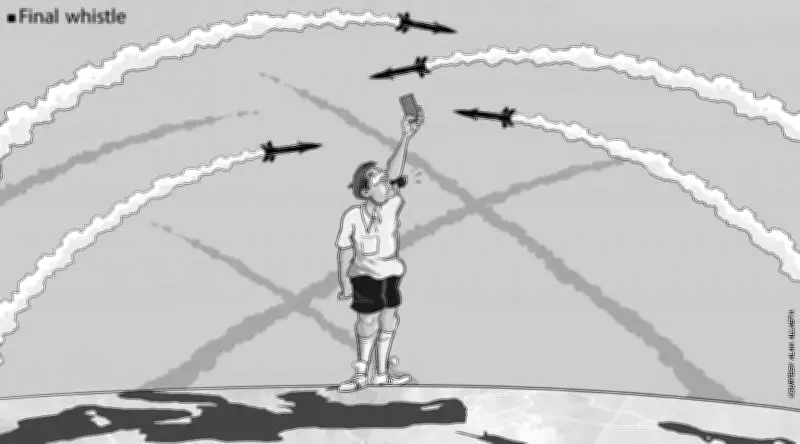
A controversial cartoon published in a Pakistani newspaper has sparked a heated national debate over the limits of freedom of expression. The cartoon, which appeared in the daily Pakistan Today on July 5, depicts a figure resembling a religious leader in a compromising situation, drawing immediate backlash from conservative groups and religious parties.
Immediate Reactions and Calls for Ban
Within hours of publication, the Council of Islamic Ideology (CII) issued a statement condemning the cartoon as blasphemous and demanded its immediate removal from all platforms. The CII chairman, Dr. Qibla Ayaz, said, "Such depictions are a direct attack on the sanctity of our religious figures and cannot be tolerated under any law." Several religious organizations, including Jamiat Ulema-e-Islam (JUI) and Tehreek-e-Labbaik Pakistan (TLP), organized protests in major cities, calling for the arrest of the cartoonist and the editor.
The Pakistan Electronic Media Regulatory Authority (PEMRA) also took notice, issuing a show-cause notice to the newspaper for violating the country's defamation and blasphemy laws. A senior PEMRA official, speaking on condition of anonymity, stated that the authority is reviewing the content to determine if it crosses legal boundaries.

Supporters Defend Artistic Freedom
On the other side, journalists, artists, and human rights activists have rallied behind the newspaper, arguing that the cartoon falls within the realm of political satire and should be protected under Article 19 of the Constitution, which guarantees freedom of speech. The Pakistan Federal Union of Journalists (PFUJ) issued a statement saying, "We stand firmly with the newspaper's right to publish critical content. Democracy thrives on open debate, not censorship."
Noted cartoonist and activist Nigar Nazar commented, "Satire has always been a tool for social commentary. Banning it sets a dangerous precedent for all forms of creative expression." The debate has also trended on social media, with hashtags like #FreeSpeech and #BlasphemyLaw trending on Twitter, reflecting the deep divide among the public.
Legal Implications and Government Response
Legal experts are divided on the issue. Senior lawyer Asma Jahangir argued that the cartoon does not incite violence or hatred, and therefore does not meet the threshold for blasphemy under the Pakistan Penal Code. However, other lawyers point to Section 295-C, which prescribes the death penalty for defiling the name of the Prophet Muhammad, and argue that any depiction of religious figures could be interpreted as blasphemous.
The federal government has remained cautious. Information Minister Marriyum Aurangzeb stated in a press conference that the government respects both freedom of expression and religious sentiments. "We are monitoring the situation and will take action according to the law. We urge all parties to maintain peace and avoid taking the law into their own hands," she said.
Impact on Media and Future of Satire
The controversy has already had a chilling effect on other media outlets. Several newspapers have voluntarily withdrawn cartoons and columns that might be deemed controversial. The Pakistan Broadcasters Association has advised its members to exercise caution in programming. This self-censorship, according to media analysts, could stifle critical journalism and satire in the country.
As the debate continues, the case is expected to be taken up by the Lahore High Court, where a petition has been filed seeking a ban on the newspaper. The court is likely to hear the case next week. The outcome could set a significant precedent for the balance between freedom of expression and religious sensitivities in Pakistan.