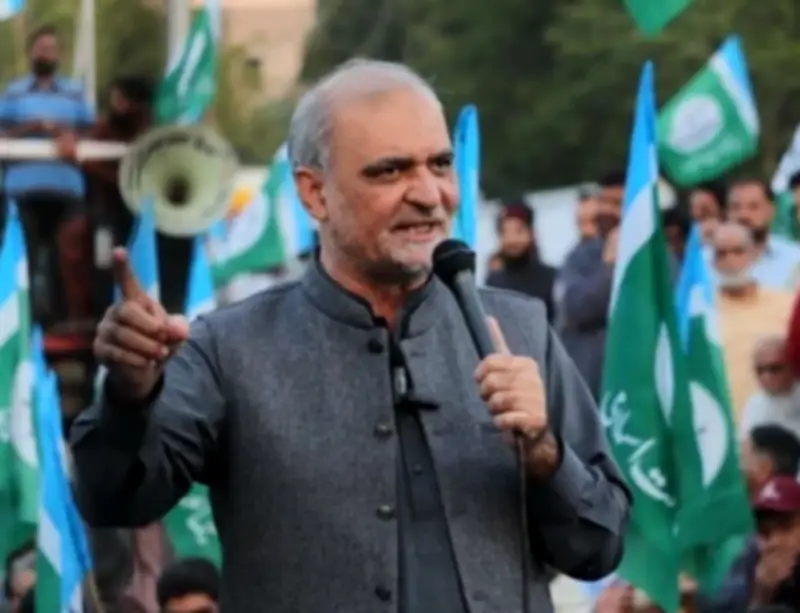
Jamaat-e-Islami (JI) chief Hafiz Naeem ur Rehman on Monday urged the government to eliminate the interest-based financial system, accusing authorities of lacking seriousness in implementing constitutional and judicial directives on abolishing riba. Addressing a press conference in Karachi, he highlighted that a large portion of the federal budget is consumed by debt servicing, and argued that despite clear court rulings, meaningful progress towards ending interest-based banking has not been made.
Government Actions Contradict Claims
Rehman stated that the government’s claims regarding the elimination of interest contradict its actions. Instead of being phased out, he asserted, the system is being further expanded. He criticized the federal budget, saying it provides little relief to the public and is likely to increase financial pressure on ordinary citizens.
Disparity in Salary Increases
The JI chief noted that government employees received a 7 percent salary increase, while lawmakers were awarded significantly higher raises, describing the disparity as unjust. He said debt servicing would exceed Rs8 trillion, placing a heavy burden on the national economy and taxpayers. Rising interest rates continue to increase costs across the economy, ultimately affecting the public, he added.

Banking Sector Profit vs. Public Hardship
Rehman further said that while the banking sector is becoming more profitable, the financial situation of ordinary citizens is worsening. Referring to parliamentary debate, he noted that even members from minority communities had opposed interest-based financial practices, describing riba as harmful to society. He also criticised the taxation system, saying electricity bills were overloaded with taxes and surcharges, and questioned the transparency of the Federal Board of Revenue (FBR).
Constitutional Backing for Riba Elimination
It is worth noting that under the 26th Constitutional Amendment, riba elimination has been given constitutional backing, with a deadline of January 1, 2028, set for transitioning to an interest-free system for both state and private institutions.