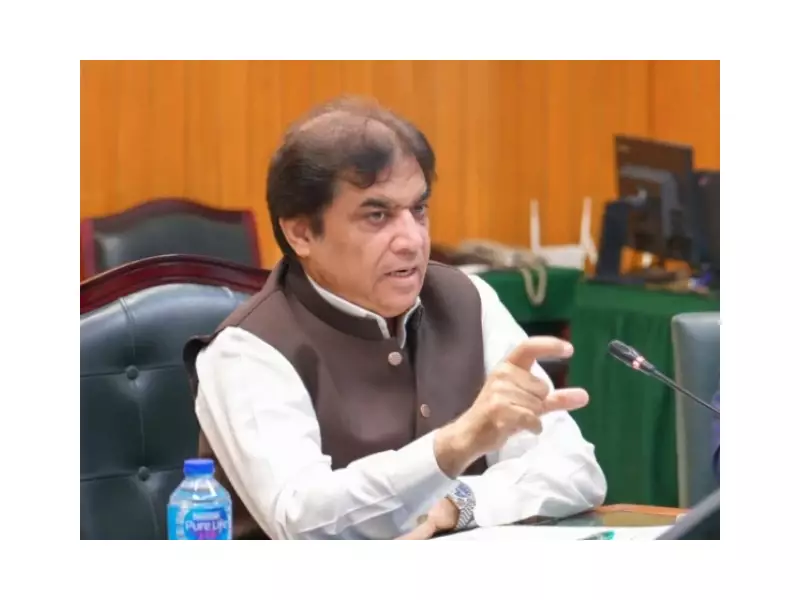
In a significant announcement aimed at revitalizing the country's vital transport artery, Federal Minister for Railways Khawaja Saad Rafique has pledged a comprehensive modernization of Pakistan Railways. The minister outlined ambitious plans to introduce contemporary trains, overhaul the aging infrastructure, and enhance freight services to stimulate economic growth.
Blueprint for a Modern Railway System
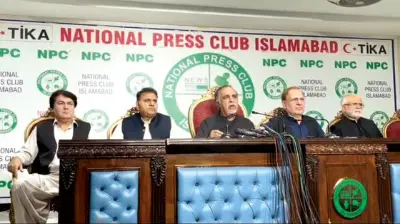
Speaking at a press conference in Lahore on Wednesday, Minister Rafique detailed the multi-faceted strategy. The cornerstone of this transformation is the long-awaited Mainline-1 (ML-1) project, which involves the complete upgrade of the 1,872-kilometer track connecting Karachi to Peshawar. This project is deemed critical for improving speed, safety, and capacity.
Beyond ML-1, the vision includes the procurement of new, modern passenger coaches and locomotives to replace the current dilapidated fleet. The minister emphasized that improving passenger experience and safety is a top priority. Furthermore, plans are underway to develop dedicated freight corridors to make rail transport more attractive for commercial goods, thereby reducing logistics costs and road congestion.

Addressing Financial and Operational Challenges
Minister Rafique did not shy away from acknowledging the deep-seated challenges facing the department. He admitted that Pakistan Railways has been operating at a significant financial loss for years, burdened by mismanagement, outdated operational practices, and a culture of neglect.
However, he expressed a firm resolve to turn the tide. "We are committed to breaking the cycle of losses and making Pakistan Railways a profitable and efficient organization," the minister stated. The strategy involves not just infrastructure investment but also administrative reforms, better financial management, and leveraging modern technology across operations.
Economic Impact and Future Prospects
The modernization drive is expected to have a far-reaching impact on Pakistan's economy. A reliable and efficient railway system can:
- Drastically reduce the cost of transporting bulk goods like cement, fertilizer, and grain.
- Provide a safe, affordable, and comfortable travel option for millions of citizens.
- Create thousands of new jobs in construction, operations, and maintenance.
- Reduce the wear and tear on national highways caused by heavy freight traffic.
While the minister did not announce a concrete timeline for all projects, he assured that work on the ML-1 upgrade is a top government priority and efforts are being made to fast-track its execution with the support of international partners. The success of this ambitious plan hinges on consistent funding, political will, and effective project management in the coming years.