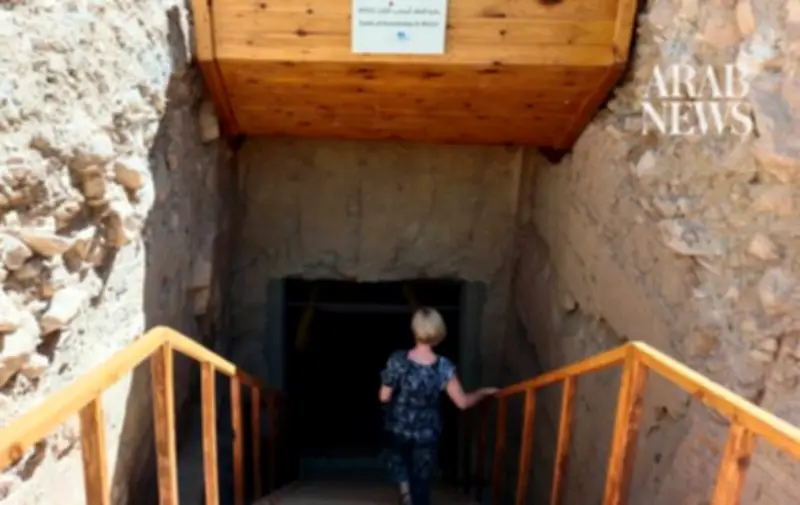
Archaeologists have uncovered a 3,000-year-old tomb near the southern Egyptian city of Luxor, authorities announced on Sunday, marking the latest in a series of discoveries that officials hope will revitalize tourism. The tomb, identified as belonging to a man named Paser, was found by a Dutch archaeological mission from Leiden University in the Sheikh Abd el-Qurna necropolis on Luxor's West Bank, according to Egypt's tourism and antiquities ministry.
Tomb Dates to Ramesside Period
Specialists believe the tomb dates to the Ramesside period, which spans Egypt's 19th and 20th dynasties, based on the artistic style of its inscriptions. Located east of a previously known burial site, the tomb follows the traditional layout of private Theban tombs from the New Kingdom (1570-1069 BC), the ministry added. It consists of an open courtyard leading to a rock-cut chapel shaped like an inverted 'T,' with burial chambers carved beneath ground level.
Architectural Features and Inscriptions
Archaeologists found several well-preserved architectural elements in the courtyard, including a mudbrick bench designed to hold a funerary stela and a staircase flanked by sloping ramps leading to the entrance. Inside, inscriptions bearing Paser's name depict him worshipping various deities inside shrines, as well as seated with his wife before an offering table.

Further Research Planned
The excavation team said further documentation and study will continue in order to determine who was buried in the tomb and to better understand its historical and archaeological context. The discovery comes as Egypt seeks to promote new archaeological finds to support tourism, a key source of foreign currency for the country. Luxor is home to some of the world's most significant ancient monuments and archaeological sites.