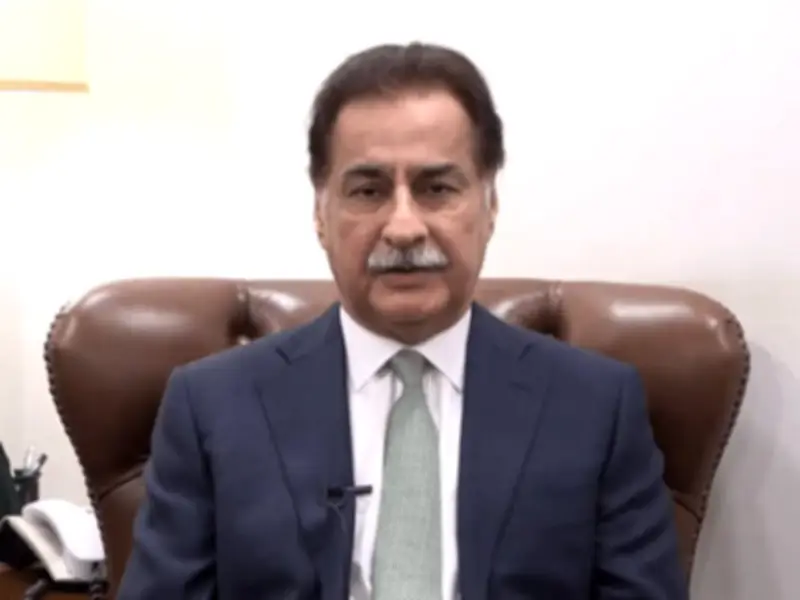
National Assembly Speaker Sardar Ayaz Sadiq has taken strong notice of the misuse of the secretariat's name through a forged appointment or offer letter and the alleged misuse of official status. The matter came to light when it was reported that an individual named Abdul Wajid, a resident of district Ghotki, falsely represented himself as a Grade-17 employee of the National Assembly. He used a forged appointment letter issued in the name of the National Assembly Secretariat, which also bore forged signatures of the speaker.
Details of the Incident
According to the National Assembly Secretariat, Abdul Wajid presented the forged document to various individuals and entities, claiming to be a legitimate employee. The secretariat has termed this a serious breach of security and an attempt to undermine the integrity of the institution. The forged letter included the official letterhead and emblems of the National Assembly, making it appear authentic. However, upon verification, it was found to be entirely fabricated.
Action Taken by the Speaker
Speaker Ayaz Sadiq has directed the relevant authorities to initiate a thorough investigation into the matter. He has instructed that strict legal action be taken against Abdul Wajid and any other individuals involved in the forgery. The speaker emphasized that such acts not only damage the reputation of the National Assembly but also pose a threat to national security. He urged law enforcement agencies to expedite the process and bring the culprits to justice.

Impact and Implications
The misuse of official documents and impersonation of government employees are serious offenses under Pakistani law. This incident highlights the need for enhanced security measures and verification protocols within government institutions. The National Assembly Secretariat is expected to review its document issuance procedures to prevent similar occurrences in the future. The case has also raised concerns about the ease with which official documents can be forged and misused.
Legal Framework
Under Pakistan's Penal Code, forgery and impersonation are punishable offenses. Section 463 of the Pakistan Penal Code defines forgery, while Section 170 deals with impersonation of a public servant. Convictions can lead to imprisonment and fines. The National Assembly has pledged to pursue the case under these provisions to ensure a deterrent effect.