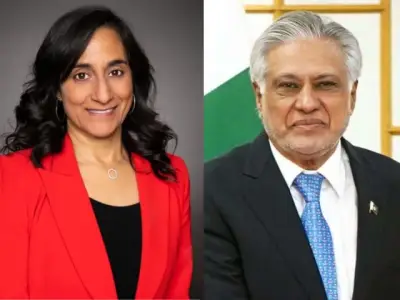
With the election of Zohran Mamdani in New York City, big-city mayors have once again become a focal point of national politics. Now, in Los Angeles, the mayoral race in November is heating up with Councilmember Nithya Raman edging out reality TV star Spencer Pratt to secure her candidacy against incumbent Mayor Karen Bass. Raman, a democratic socialist like Mamdani, is zeroing in on housing and affordability as defining issues of local politics.
Historical Roots of a Weak Mayor
But beneath the promises to take on hot-button issues that plague Angelenos, a persistent question remains: Why can't the LA mayor get anything done? Part of the answer takes us back to the creation of the LA city charter, a product of the turn-of-the-20th-century progressive movement that emerged in response to the corrupt politics that plagued cities like New York and Chicago.
Despite the radical and experimental origins of LA's decentralized governance approach, a weak mayoral office may no longer be the best way to serve the people of Los Angeles today. Even if LA elected a progressive, Mamdani-esque candidate, the mayor's office still has an uphill battle with fragmentation and decades of mounting red tape designed to favor negotiators over visionaries for mayor.

Structural Barriers to Action
The LA city charter, now over 100 years old, deliberately disperses power among multiple elected officials and commissions. This system, intended to prevent the concentration of power, now hampers the mayor's ability to address crises like homelessness and housing affordability. According to experts, the mayor lacks direct control over key departments such as the police, ports, and airports, which are governed by independent commissions.
In contrast, New York City's mayor wields significantly more authority, including control over the school system and the ability to appoint department heads without commission approval. This structural difference explains why LA mayors often struggle to implement their agendas, regardless of their political affiliation.
Current Race and Implications
Nithya Raman, a councilmember representing a district that includes parts of Hollywood and Silver Lake, has made housing and tenant protections central to her campaign. She argues that the current system favors developers and landlords over renters and the homeless. Incumbent Mayor Karen Bass, meanwhile, emphasizes her experience and connections to navigate the fragmented system.
The November election will test whether voters prioritize progressive promises or practical governance. However, even if Raman wins, she will face the same structural constraints that have frustrated her predecessors. As one analyst noted, "The mayor of LA is often called the second most powerful person in California, but in reality, the office is designed to be weak."
Broader Context
This dynamic is not unique to LA. Cities across the United States grapple with the legacy of progressive-era reforms that sought to curb corruption but inadvertently created bureaucratic inertia. The 100th anniversary of the LA City Charter has sparked renewed debate about whether to overhaul the system, but such changes require voter approval and face opposition from entrenched interests.
Meanwhile, the housing crisis continues to worsen. According to recent data, Los Angeles County has over 75,000 homeless individuals, the highest of any county in the nation. The mayor's office has limited tools to address this, as zoning, land use, and funding decisions are often controlled by the city council and state government.
Conclusion
As the mayoral race intensifies, voters must consider not only the candidates' platforms but also the institutional constraints they will face. The question of whether LA's weak mayor system can be reformed remains open, but for now, the city's governance structure ensures that no single leader can easily enact sweeping change.