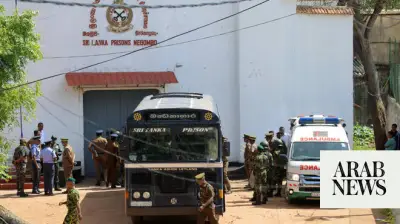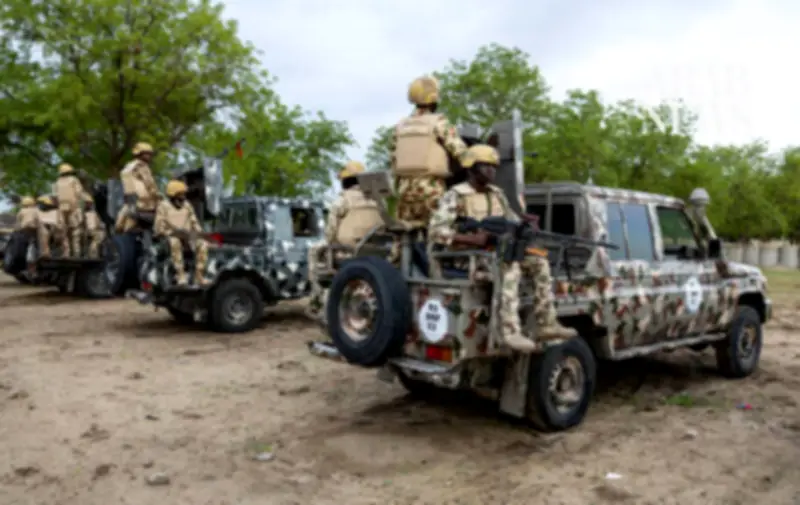
Nigerian security forces suffered casualties during the rescue of more than 40 kidnapped schoolchildren and teachers, the army announced on Saturday, July 11, 2026. The operation ended a major security crisis in the country's relatively safe southwestern region.
Rescue After Nearly Two Months in Captivity
The pupils, whose rescue was announced on Friday, were seized from three schools in Nigeria's Oyo state and had been held for nearly two months. The army stated that the children and staff were rescued following carefully planned and executed operations involving intelligence agencies, police, and local vigilante groups. However, the military acknowledged there were some casualties on the part of the security forces, without providing further details.
Blame on Ansaru Militants
The shock kidnapping, which occurred in Oyo's Oriire local government area, was attributed to militants. President Bola Tinubu identified the attackers as members of Ansaru, a Boko Haram splinter group known to operate in central Nigeria and extending into the southwest. Senator Abdulfatai Buhari from Oyo state described the ordeal as mental torture, noting that some of the kidnapped children were as young as two and three years old. “They were so frail,” he added.

Security Crisis in the Southwest
Nigeria has long battled a militant conflict that has seen armed Islamist groups spread beyond their northeastern strongholds. However, the attack in Oyo state sent shockwaves through a country where many had considered such violence confined to the north. Mass kidnappings have become an increasingly common tactic of both militants and armed gangs known as bandits. The incident prompted protests nationwide, a state-wide teachers' strike, and high-profile condemnation, all just months before the January 2027 presidential elections.
Southwest Once Considered Safe
Southwest Nigeria, home to the economic capital Lagos, has long been viewed as one of the safest regions in a country grappling with multiple security crises. Oyo is one of Nigeria's most populous states, and its capital, Ibadan, is a major education hub. The kidnapping has raised concerns about the spread of insecurity into previously stable areas.
Defense Minister Reveals Kidnappers' Demands
Defense Minister Christopher Musa disclosed last week that the kidnappers had attempted to use the students as leverage with the Nigerian government, which is holding some of their commanders. The kidnappers threatened to kill their hostages if security forces moved in. However, the army's operations, which lasted more than a month, targeted the kidnappers' wider networks and dismantled several hideouts in the forests of Old Oyo National Park.
Arrests and Dismantling of Networks
Multiple arrests across the country completely disorganized the group, exerted overwhelming pressure, and ultimately led the terrorist group to unconditionally release the pupils and teachers, according to the military statement. The rescued children are now receiving medical treatment at a military base in Ibadan.
Context of Mass School Kidnappings
Armed groups, particularly militants, have long used mass school kidnappings to extract ransoms and other demands. The most infamous case occurred in April 2014 when Boko Haram abducted 276 schoolgirls from a secondary school in Chibok, northeastern Borno state. A string of mass abductions in late 2025, including the kidnapping of two dozen schoolgirls in Kebbi state and the abduction of some 300 students and several teachers in Niger state, drew renewed international attention to Nigeria's insecurity.