Ongoing killings challenge government's promise
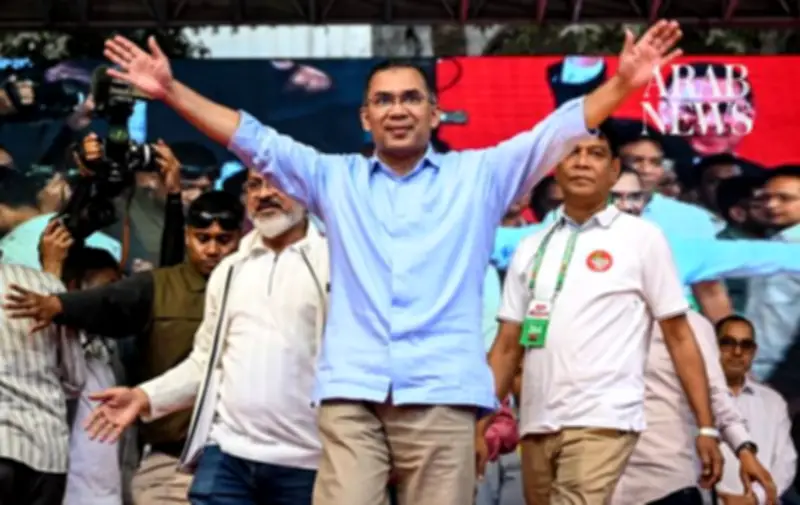
Bangladesh's new government, led by Prime Minister Tarique Rahman of the Bangladesh Nationalist Party (BNP), came to power in February 2026 with a pledge to end political violence. However, six months later, rights groups report that killings continue, casting doubt on the government's ability to deliver on its promise.
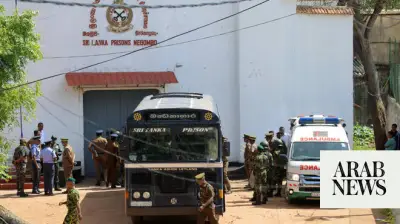
Rights organization Ain o Salish Kendra (ASK) recorded at least 66 politically related killings, 61 deaths in police custody, 11 extrajudicial killings, and other alleged human rights abuses in the six months since the election. "Deaths in jail and police custody appear to be rising," said ASK senior official Abu Ahmed Faijul Kabir.
Government disputes rising violence claims
Home Minister Salahuddin Ahmed told parliament in late June that the situation is improving. He argued that the increase in reported killings reflects historic cases now being reported because relatives feel safe to come forward. "After the current government assumed office, we are in a historically improved position on most indicators," he said.

But others tell a different story. In June, 17-year-old Mohammed Suman joined a banned rally held by the Awami League, the party of ousted prime minister Sheikh Hasina, who is a convicted fugitive in India. Suman disappeared, and three days later, police recovered his rotting corpse from the Turag River in Dhaka, along with two other bodies.
Family and lawyers allege police brutality
Suman's uncle, Jewel Babu, said they learned from friends that police and a mob broke up the rally, forcing participants to flee by boat. "We have heard that, after being chased by local BNP leaders, they crossed the river only to encounter police," said Supreme Court lawyer Arif Sarkar Pavel, representing seven men arrested in the same incident. "Some people also beat them with bamboo sticks after they jumped into the river. Police are trying to bury the truth."
Police denied accusations of brutality, saying there was "no incident" of killing. Police spokesman AHM Shahadat Hossain said authorities are investigating all reported incidents. He added that some cases labeled as political violence are actually personal feuds or land disputes involving political party members.
Violence includes intra-party killings
BNP spokesperson Shairul Kabir Khan said Rahman has expelled party members guilty of political violence and instructed ministries to remain neutral. "Unfortunately, violence is part of politics in the subcontinent, and Bangladesh is not immune to that culture," Khan added.
Violence has also targeted BNP officials. On June 9, local BNP official Billal Hossain Talukdar was stabbed to death during a meeting. On June 12, BNP leader Masudul Haque was shot dead in Chattogram. On July 6, attackers hurled petrol bombs at an opposition rally in Savar, wounding four activists from the National Citizen Party.
Broader crime and expert analysis
Political violence occurs amid high violent crime rates, with police recording an average of at least 10 murders per day, including 1,238 murders between March and June. Muhammad Sazzad Hossain Siddiqui, a professor of peace and conflict studies at the University of Dhaka, said political transitions often trigger violence from groups seeking to reclaim illicit income or compete for local dominance. When violence goes unchecked, it becomes self-perpetuating. "That is exactly what we are witnessing now," he said.