Controversial Cartoon Published in National Daily
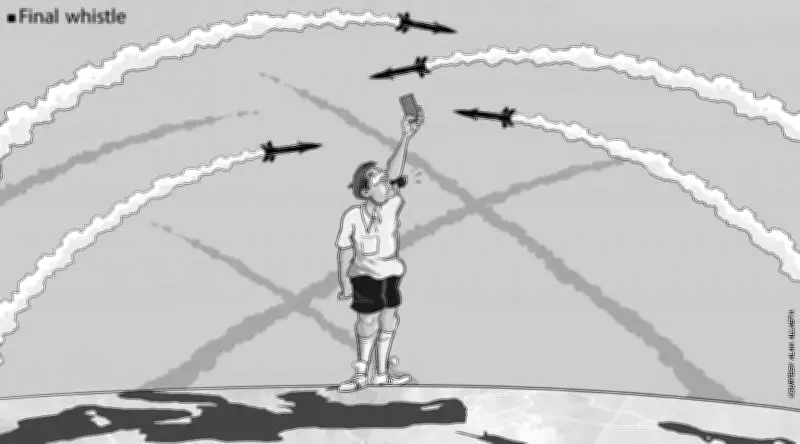
A cartoon published in a leading Pakistani English-language newspaper on Saturday has sparked a fierce debate over the limits of freedom of expression in the country. The cartoon, drawn by a well-known political cartoonist, depicts a prominent political figure in a satirical manner that many readers and political activists have deemed offensive.
Immediate Reactions and Criticism
Within hours of publication, social media erupted with reactions. Critics, including members of the political party represented in the cartoon, condemned it as a deliberate attempt to mock their leadership and incite disrespect. A spokesperson for the party stated, "This cartoon crosses the line of decency and is an insult to our supporters. We demand an apology from the newspaper."
Supporters Defend Artistic Freedom
Conversely, journalists, artists, and free-speech advocates have rallied behind the cartoonist, arguing that satire is a vital component of a healthy democracy. The Pakistan Federal Union of Journalists (PFUJ) issued a statement saying, "Satire and political commentary are essential for holding power to account. We stand by the cartoonist's right to express his views without fear of retribution."

Historical Context of Cartoon Controversies in Pakistan
This is not the first time a cartoon has stirred controversy in Pakistan. In 2015, a series of cartoons mocking religious figures led to widespread protests and calls for stricter blasphemy laws. However, this latest incident focuses on political rather than religious satire, highlighting the ongoing tension between freedom of speech and respect for political institutions.
Legal and Political Implications
The controversy has reached the halls of parliament, where several lawmakers have raised the issue. Some have called for the government to take action against the newspaper under the Prevention of Electronic Crimes Act (PECA) 2016, which criminalizes content deemed to harm the reputation of individuals or incite disorder. Legal experts, however, warn that such actions could set a dangerous precedent for press freedom.
Public Opinion Divided
A poll conducted by a local research firm found that 52% of respondents believed the cartoon was offensive and should not have been published, while 48% defended it as legitimate satire. The divide largely follows political lines, with supporters of the targeted party overwhelmingly opposing the cartoon and others viewing it as protected speech.
Cartoonist Responds
The cartoonist, speaking on condition of anonymity due to safety concerns, told reporters, "My intention was never to hurt anyone but to comment on the current political situation. Satire is a tool for reflection, not hatred. I am saddened that it has been misinterpreted." He added that he has received threats but remains committed to his work.
Impact on Media Landscape
The incident has prompted several newspapers to review their editorial policies regarding cartoons and satirical content. Some have decided to temporarily suspend political cartoons until the controversy subsides, while others have reaffirmed their commitment to publishing diverse viewpoints. Media analysts suggest that this could lead to self-censorship if the backlash intensifies.
International Reactions
International press freedom organizations have also weighed in. Reporters Without Borders (RSF) called on Pakistani authorities to protect the cartoonist and refrain from legal action that could stifle free expression. In a statement, RSF said, "Satire is a fundamental part of a free press. Pakistan must uphold its constitutional guarantees of freedom of speech."
Conclusion: A Test for Democracy
The cartoon controversy has become a litmus test for Pakistan's democratic values. As the debate rages on, it underscores the delicate balance between protecting individual sensibilities and preserving the right to free expression. The outcome of this incident may shape the future of political satire in the country for years to come.