Cartoon Critiques Societal and Political Issues in Pakistan
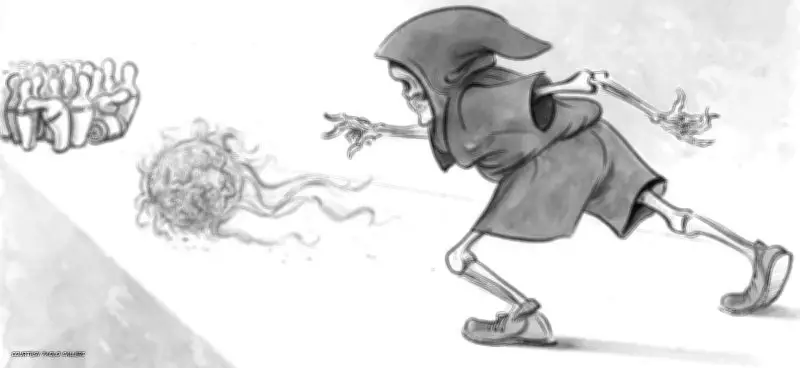
A cartoon published in The Nation on July 11, 2026, offers a sharp commentary on the prevailing societal and political challenges in Pakistan. The illustration uses satire to highlight issues of corruption, governance failures, and the disconnect between the ruling class and the common citizen. Through visual metaphors, the cartoonist underscores the growing frustration among the public regarding the state of affairs in the country.
Visual Metaphors and Symbolism
The cartoon employs symbolic imagery to depict the struggles of ordinary Pakistanis. For instance, it may show a politician making empty promises while the common man bears the brunt of inflation and unemployment. Such representations are common in Pakistani editorial cartoons, which have a long tradition of holding power to account through humor and irony. The cartoon in question likely uses exaggerated features and scenarios to drive home its point about the lack of accountability in the system.
Impact on Public Discourse
Editorial cartoons serve as a powerful tool for shaping public opinion. They distill complex issues into digestible visuals, making them accessible to a wide audience. In Pakistan, where literacy rates vary, cartoons can communicate political messages effectively. This particular cartoon has sparked discussions on social media and among readers, with many sharing it as a reflection of their own frustrations. According to media analysts, such cartoons contribute to a healthy democratic discourse by encouraging citizens to question authority.

Historical Context of Political Cartoons in Pakistan
Political cartoons have a rich history in Pakistan, dating back to the country's inception. Notable cartoonists like Nisar Ahmed Chaudhry and Abdul Rasheed have used their art to comment on political events. The tradition continues today with digital platforms amplifying their reach. The Nation's cartoon is part of this legacy, offering a critical perspective on current events. The cartoonist's work is protected under freedom of expression, though it sometimes faces backlash from those in power.
Reception and Criticism
The cartoon has received mixed reactions. While many appreciate its boldness and relevance, others criticize it for being too harsh or one-sided. Supporters argue that satire is necessary to keep those in power in check. Critics, however, claim that such portrayals can undermine public trust in institutions. According to a reader comment on The Nation's website, the cartoon captures the 'real face of Pakistani politics.' Another reader noted that it 'makes you think about the state of our democracy.'
Conclusion
In summary, the cartoon published in The Nation on July 11, 2026, is a poignant piece of political satire that reflects the societal and political challenges in Pakistan. It uses visual metaphors to critique corruption and governance failures, contributing to public discourse. As with any form of satire, it invites both praise and criticism, underscoring the importance of free expression in a democratic society.