The End of an Era: Juan Ponce Enrile's Final Chapter
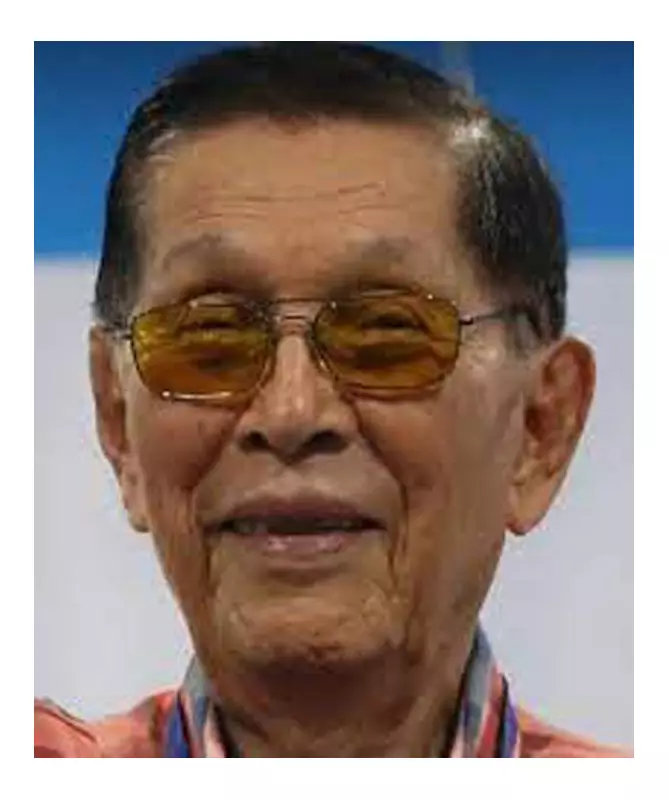
Juan Ponce Enrile, the brilliant yet controversial political strategist who engineered the brutal martial law under former Philippine dictator Ferdinand Marcos, passed away on Thursday at the remarkable age of 101. His daughter, Katrina Ponce Enrile, confirmed his peaceful passing in a heartfelt Facebook announcement.
The former political operator died at 4:21 pm (0821 GMT) at his residence, surrounded by loving family members during his final moments. According to his daughter's social media post, Enrile had been receiving treatment for pneumonia before his death. The family has announced plans for a public viewing to allow citizens to pay their final respects to the influential political figure.
Architect of Martial Law and Political Turncoat
Enrile's political career spanned decades and was marked by dramatic shifts in allegiance that consistently kept him at the center of Philippine power dynamics. As a Harvard-educated legal mind, he became one of Marcos's most trusted advisors and earned the notorious reputation as the primary architect of the martial law declaration that crushed political opposition during the dictator's regime.

His political journey took an unexpected turn when he dramatically switched sides, playing a crucial role in sparking the massive 1986 popular uprising that ultimately led to Marcos's ouster. This revolution occurred less than three years following the shocking assassination of opposition leader Benigno Aquino, a pivotal moment that galvanized public sentiment against the Marcos administration.
The Remarkable Political Resurrection
In another stunning political reversal, Enrile later facilitated the Marcos family's extraordinary return to power after their period in exile. When Ferdinand Marcos Jr., the late dictator's son, achieved a stunning victory in the 2022 presidential election, he demonstrated his continued trust in the aging political veteran by appointing Enrile as his chief legal counsel.
This final chapter in Enrile's political life completed a full circle that began with his instrumental role in establishing his father's authoritarian regime decades earlier. His ability to navigate the complex waters of Philippine politics across multiple generations stands as a testament to his strategic brilliance and survival instincts.
Enrile's legacy remains deeply contested among historians and political analysts. While some remember him as a key figure in the country's darkest period of repression, others acknowledge his role in restoring democracy during the 1986 uprising. His 101-year life spanned nearly the entire modern history of the Philippine republic, making him both a participant in and witness to the nation's most transformative political events.