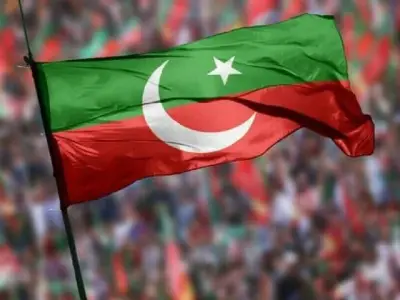
The opposition in Pakistan is currently in a state of disarray, lacking a cohesive strategy to address its pressing challenges. It has failed to mobilize large numbers on the streets to demand better treatment for former Prime Minister Imran Khan in jail, let alone secure his release. Similarly, the opposition has been unassertive on the floor of parliament. The second-tier leadership of the Pakistan Tehreek-e-Insaf (PTI), which leads the opposition, has preferred to remain on the sidelines. Many attribute this to lackluster effort and intentional compromise.
Government Bewildered by Opposition's Passivity
This passivity has even bewildered the government, which now largely ignores the opposition's profile and presence. This has led to an environment where the law and Constitution are defied with impunity. The non-implementation of the jail manual and the hardened attitude toward political prisoners are cases in point.
Lack of Coordination Between PTI and TTAP
The lack of coordination between the PTI and the six-party opposition alliance, Tehreek-e-Tahaffuz-e-Aain Pakistan (TTAP), became starkly evident when they engaged in public mudslinging after failing to stage a joint protest outside Adiala Jail. Furthermore, the PTI leadership's denial of PKMAP leader Mahmood Khan Achakzai's planned 10,000-strong sit-in outside the prison was surprising. It only confirmed the comfortable complacency into which the party has slid.

Failure to Build a Strong Narrative
Moreover, the opposition is conspicuous by its failure to build a strong narrative on issues of national interest, both inside and outside of parliament. Another aspect of the PTI's waywardness is the presence of parallel, competing tiers of decision-making between the Center and the Khyber-Pakhtunkhwa government. While the provincial cadre under Chief Minister Sohail Afridi has repeatedly vowed to hit the streets, it has consistently failed to materialize its plans.
Call for Unified Strategy and Dialogue
The opposition must get its act together and forge a unified narrative that serves both party and national interests. While its expressed desire to enter into a dialogue with the government is appreciated, the ruling coalition must also take a step forward. By actively engaging the opposition, the government can help ensure that the reigning political instability is finally brought to an end.