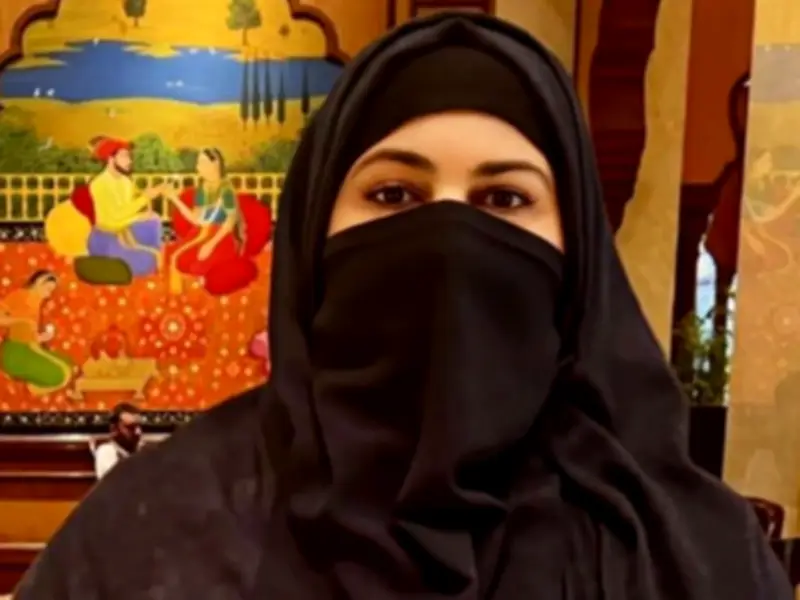
Social activist Razia Mehsud has become the first woman appointed to the Dispute Resolution Council (DRC) in Upper South Waziristan, marking a historic milestone for women's representation in the tribal districts. The appointment was confirmed through an official notification issued by the Dera Ismail Khan Regional Police Officer (RPO) on Monday.
Historic Appointment in Tribal District
The 17-member DRC was constituted on the recommendation of Upper South Waziristan District Police Officer (DPO) Arshad Khan. For the first time since the council's establishment in the district, a woman has been included among its members. The DRC, established by Khyber-Pakhtunkhwa Police, serves as a community-based forum that helps resolve local disputes through mediation, reducing the burden on courts while promoting accessible and peaceful conflict resolution.
Role and Expected Impact
Razia Mehsud is expected to play a key role in addressing women's grievances, family disputes, and broader community issues. Local tribal elders, social activists, and community representatives believe her appointment will improve women's access to justice, particularly in cases where cultural barriers have traditionally discouraged women from approaching male-dominated forums.

Observers say the inclusion of a woman in the council is likely to encourage greater trust among female complainants, strengthen women's participation in local decision-making, and pave the way for broader gender inclusion in traditional conflict-resolution mechanisms across the tribal districts.
Widespread Praise
The appointment has been widely praised by social and tribal circles, who described it as a historic development not only for Upper South Waziristan but for the entire Waziristan region, where women have historically had limited representation in formal and informal governance structures.
DRC System Success
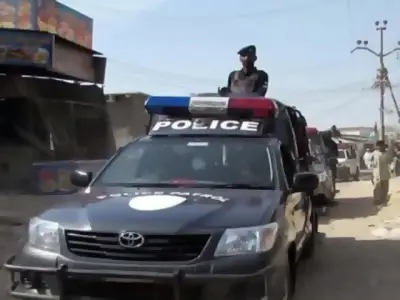
Khyber-Pakhtunkhwa Inspector General of Police Dr Zulfiqar Hameed previously stated that thousands of local and regional disputes across the province have been successfully resolved through the DRC system. He described the expansion of DRCs in the merged tribal districts as an effective model for ensuring quick, community-based justice and strengthening public confidence in policing.