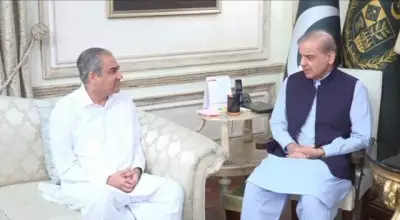
A weekly governance review meeting chaired by Chief Secretary Khyber Pakhtunkhwa Shahab Ali Shah assessed Eid-ul-Azha arrangements, public service delivery, and public feedback across the province. The meeting was informed that, on the directives of the Chief Minister, a comprehensive Eid-ul-Azha management plan had been implemented in all districts.
The plan covered 40 key areas, including sanitation and timely disposal of animal waste, traffic management, facilities at tourist destinations, monitoring of livestock markets, transport fares, security arrangements, price control measures, livestock vaccination, and public safety around rivers and dams. Officials briefed the meeting that all districts had successfully executed the assigned tasks under the plan.
According to the briefing, more than 100,000 tonnes of waste and animal remains were disposed of during the Eid holidays, while over 2,500 veterinary staff members performed duties related to livestock health and vaccination. Authorities also took action against illegal livestock markets, resulting in the closure of 197 unauthorized cattle markets across the province.

The meeting was further informed that 2,779 markets were inspected as part of price control efforts. During these inspections, 777 violations were detected, and 532 shops were sealed for breaching official regulations. To ensure public safety at recreational sites, inspections were carried out at 145 amusement facilities and 561 food outlets, with necessary legal and administrative action taken where required.
Officials said that district control rooms remained operational round the clock throughout the Eid holidays, ensuring continuous monitoring and coordination of public service delivery. As a gesture of goodwill and humanitarian outreach, government officers also visited hospitals, prisons, and orphanages during the festive period.
Appreciating the performance of the district administrations and relevant departments, Chief Secretary Shahab Ali Shah directed officials to further improve the quality of public services. He said a comparative ranking of districts based on sanitation performance was being carried out and that a comprehensive report was being prepared to recognize and encourage the best-performing districts.