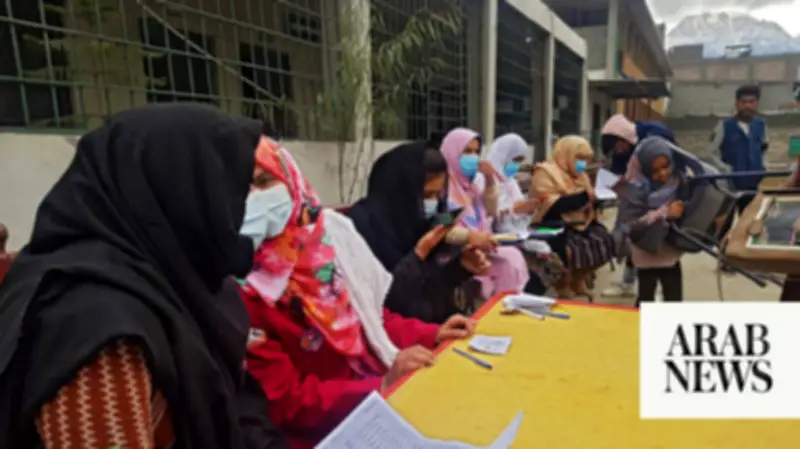
The Election Commission Gilgit-Baltistan (ECGB) has announced official results for 21 out of 24 constituencies in the region's legislative assembly elections, with the Pakistan Peoples Party (PPP) emerging as the largest party by securing nine seats. The polls, held on June 7, saw delays in several constituencies due to partial re-polling in selected polling stations, following complaints from multiple political parties about irregularities and procedural concerns.
Final Results and Seat Distribution
According to the ECGB's final results issued on Friday, the PPP won nine general seats, followed by the Pakistan Muslim League-Nawaz (PML-N) with six seats and the Istehkam-e-Pakistan Party (IPP) with four seats. The Majlis Wahdat-e-Muslimeen secured one seat, and an independent candidate also won. Official results remain pending in three constituencies due to ongoing legal and electoral proceedings.
When reserved seats are included, the PPP's strength in the 33-member assembly increases to 13 seats, the PML-N to nine seats, and the IPP to six seats. This allocation positions the PPP as the leading party, though it falls short of an outright majority.

PPP's Path to Government Formation
“God willing, Pakistan Peoples Party will form the government in Gilgit-Baltistan,” the PPP stated on X, citing party member Nayyar Hussain Bukhari. “The PPP leadership will decide how to form the government and who to include in the alliance.” The party has historically performed well in GB when in power in Islamabad, as seen in 2009 when the PPP won the GB polls. In contrast, the PML-N formed the government in 2015 and the PTI in 2020.
Currently, the Shehbaz Sharif-led PML-N is in power in Islamabad, and reports indicate that the PML-N has been in talks with the PPP to form a coalition government in the northern region. This collaboration could ensure a stable administration in GB.
Context of Gilgit-Baltistan
Gilgit-Baltistan lies in the Himalayan region of Kashmir, a territory disputed between India and Pakistan. India claims the right to govern all territories in the Jammu and Kashmir region, while Pakistan rejects these claims and accuses India of forceful occupation since 1947. Both countries maintain their claims over the entire region. GB is home to some of the world's highest peaks and serves as a key gateway for trade between Pakistan and China.