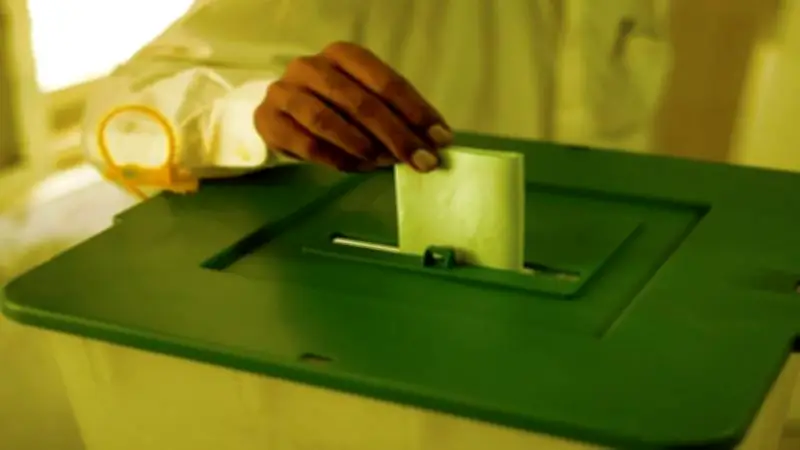
On June 7, 2026, the people of Gilgit-Baltistan will head to polling stations scattered across some of the world’s most dramatic terrain. Nearly one million voters are expected to participate in the 2026 elections, a significant increase from 2020. More candidates are contesting, more young people are registered, and political debate is more vibrant than ever. Conversations about constitutional rights, unemployment, energy shortages, tourism, corruption, and representation dominate both public gatherings and social media. Yet beneath this democratic enthusiasm lies a persistent question: do elections in Gilgit-Baltistan genuinely transfer power to citizens, or merely redistribute influence among competing elites?
Global Context of Democratic Distrust
The dilemma reflects a broader global trend. Across many democracies, public trust in political institutions is declining. Citizens continue to vote, but often suspect that real power resides elsewhere—in entrenched networks, economic interests, or unelected centres of influence. Political economist Daron Acemoglu has argued that democracy loses credibility when political systems fail to distribute opportunity fairly. Elections remain intact, but public confidence weakens. Gilgit-Baltistan mirrors this challenge in its own way. Governments change, but familiar patterns endure. Political parties campaign vigorously, yet many voters believe decisive political choices are shaped beyond the region.
Personalized Politics and Patronage
Chief ministers rise and fall rapidly. Alliances shift with remarkable ease. Politicians frequently change parties depending on which one enjoys influence in Islamabad. As a result, politics has become intensely personal. Many voters place greater trust in individuals than in party platforms. Support is often built around local reputations, personal relationships, and access to resources rather than ideology. Candidates may switch affiliations, but their support base often remains intact. This political culture has elevated businessmen, contractors, former bureaucrats, transport owners, and other local power brokers. Electoral competition frequently revolves around influence and patronage rather than policy alternatives. Party labels matter, but personalities often matter more.

Electoral Statistics and Gender Gap
The numbers tell a story of both democratic vitality and structural weakness. More than 400 candidates are contesting 24 constituencies, making this one of the most competitive elections in the region’s history. Constituencies such as Gilgit-II, Hunza, and Astore are witnessing particularly intense contests. Yet one statistic exposes a deeper democratic deficit: women remain largely absent from electoral politics. In several constituencies, no woman is contesting at all. This underrepresentation is striking because Gilgit-Baltistan has undergone profound social transformation over the past two decades. Educational opportunities for women have expanded dramatically. Women increasingly work in education, healthcare, media, entrepreneurship, and development sectors. Yet these gains have not translated into meaningful political participation.
Youth Frustration and Aspirations
Youth concerns present another challenge. Around the world, younger generations have become increasingly sceptical of democratic institutions, often questioning whether elections can address economic insecurity or expand political voice. Similar sentiments are emerging in Gilgit-Baltistan. Despite rising literacy and university enrolment, many educated young people face limited employment opportunities. Some prepare for competitive examinations, others migrate to major cities, and many depend on temporary government jobs. Social media has broadened political awareness, but it has also heightened frustration by exposing the gap between public expectations and political outcomes. The expanding electorate reflects this generational shift. Registered voters have increased from approximately 745,000 in 2020 to more than 958,000 today. These new voters are asking sharper questions than previous generations. Why does the region still lack full constitutional status? Why do development promises reappear every election cycle? Why do essential issues—electricity, healthcare, internet connectivity, climate resilience, and infrastructure—remain unresolved despite decades of voting?

Evolving Campaign Practices
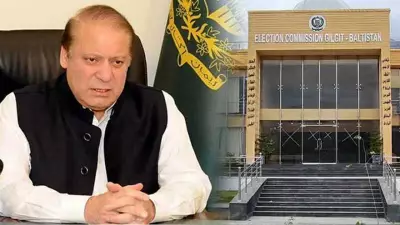
Campaigning itself is evolving. The Election Commission’s decision to restrict wall chalking and political graffiti reflects an effort to modernise election practices and protect the region’s natural landscape. Yet modernisation cannot stop at campaign methods. Increasingly, young voters discuss transparency, digital governance, and technological reforms that could improve accountability. At the centre of these debates lies a more fundamental issue: trust. Political trust erodes when citizens perceive power as temporary, manipulated, or externally constrained. Scholars Steven Levitsky and Daniel Ziblatt have argued that democratic systems often weaken gradually rather than collapse suddenly. Elections continue to occur, but citizens begin to doubt whether institutions genuinely represent them.
The Paradox of Participation
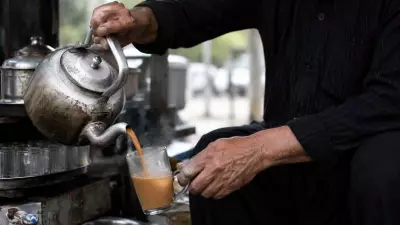
In Gilgit-Baltistan, this doubt takes a distinctive form. Voters participate enthusiastically, yet many question how much authority elected governments truly possess. Alliances frequently shift after elections. Winning candidates often align themselves with ruling parties. Local administrations remain heavily dependent on federal support and approval. The result is a paradox. Democratic procedures exist, but political autonomy often appears incomplete. And yet, despite these frustrations, people continue to vote. In towns, universities, markets, and tea shops, political debates remain vigorous. The willingness to participate suggests that while many question existing power structures, they have not abandoned faith in democratic engagement itself.
A Test for Political Culture
The 2026 election is therefore more than a contest between political parties. It is a test of whether the region’s political culture can move beyond patronage and personality-driven politics. Can elections become more issue-based? Can women secure a meaningful place in political leadership? Can politically aware young voters transform frustration into sustained civic engagement? Can elected representatives build public trust through greater independence and accountability? Ultimately, the election raises a larger question: can democracy in Gilgit-Baltistan evolve from a mechanism for choosing rulers into a system that delivers genuine representation? The answer will not emerge on election night. Democratic change is rarely dramatic, particularly in mountain societies where institutions develop gradually. It depends on stronger local governance, civic participation, accountability, and sustained public engagement. On June 7, voters across Gilgit-Baltistan will cast their ballots for different reasons—hope, loyalty, development, or influence. Yet beneath those choices lies a common aspiration: not simply to elect leaders, but to feel genuinely represented.