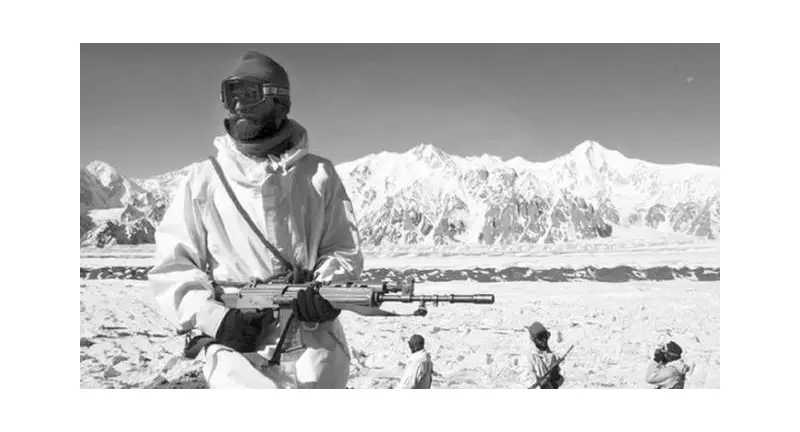
The frigid, oxygen-starved heights of the Siachen Glacier in northern Kashmir have been the stage for one of the world's most perilous military standoffs for four decades. This remote battleground, where soldiers face a greater threat from the extreme environment than from enemy fire, remains a frozen testament to an unresolved conflict between Pakistan and India.
The 1984 Operation and the Genesis of the Conflict
In 1984, Indian military forces launched an operation to seize control of the strategically significant Siachen Glacier, an area previously under Pakistani military influence. This move dramatically escalated tensions in the already volatile region of Kashmir. The operation was a pivotal moment that transformed this desolate, icy expanse into a permanent front line. For thirty years, and now moving into a fourth decade, the armies of both nuclear-armed nations have been locked in a costly and deadly face-off at altitudes exceeding 20,000 feet.
A Deadly Theater: Combat and the Cruel Environment
The human cost of this enduring confrontation is staggering. Over 2700 soldiers from both India and Pakistan have lost their lives since the conflict began. Crucially, a significant majority of these casualties have not been due to direct combat. The brutal, high-altitude environment itself is the primary adversary. Soldiers succumb to avalanches, extreme cold, exposure, and altitude sickness caused by the thin, oxygen-depleted air. The glacier, often described as the world's highest battleground, is largely hidden from public view, masking the harsh realities faced by troops stationed there.

Maps and Demarcation: A Persistent Dispute
Despite numerous ceasefire agreements and diplomatic engagements over the years, a fundamental issue remains unresolved. Both countries have never officially demarcated the Line of Control (LoC) in this extreme northern region. Instead of agreeing on a common boundary, each nation has consistently released maps that depict their own version of the geography, claiming sovereignty over the glacier and its surrounding areas. This cartographic conflict underscores the deep-seated disagreement and the lack of political progress towards a permanent solution.
The Siachen standoff continues to be a major point of contention in Indo-Pak relations. It symbolizes the enduring and complex nature of the Kashmir dispute. The enormous financial burden of maintaining troops in such an extreme environment and the continuous loss of life highlight the urgent need for sustained diplomatic efforts. The conflict serves as a sobering reminder that in the high Himalayas, the elements can be as formidable an enemy as any military force, and that peace remains elusive on the roof of the world.