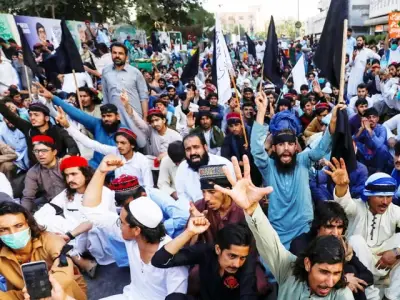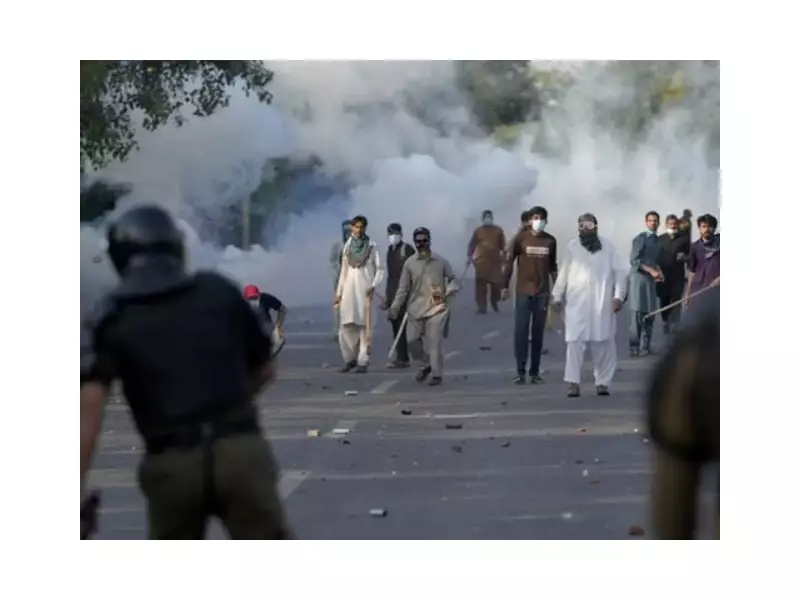
A judicial magistrate in Peshawar has taken decisive legal action by issuing arrest warrants for 30 individuals allegedly involved in the violent incidents of May 9. This development marks a significant step in the ongoing judicial process concerning the attacks that targeted military and state installations.
Court Proceedings and Warrants
Judicial Magistrate Yasir Iqbal Khan presided over the hearing of the cases registered at the Shahpur police station. During the proceedings, the court was informed that the police had been unable to apprehend the 30 named suspects despite repeated efforts. The prosecution presented arguments highlighting the serious nature of the charges and the need for the suspects to be brought before the court to face justice.
After considering the arguments and the case records, Magistrate Yasir Iqbal Khan approved the police request and formally issued non-bailable arrest warrants against all 30 individuals. The court directed the police to execute these warrants promptly and to produce the arrested suspects in court on the next date of hearing.

Background of the May 9 Cases
The cases stem from the widespread violence that erupted on May 9 last year following the arrest of a prominent political leader. Across various cities, including Peshawar, protesters attacked and vandalized military and government properties. The cases registered at Shahpur police station are specifically related to attacks on military installations that occurred during that period.
These legal proceedings are part of a broader national effort to hold perpetrators accountable. Courts in multiple jurisdictions are handling hundreds of cases linked to the May 9 events. The Peshawar court's issuance of warrants underscores the continued judicial focus on these incidents over a year later.
Next Steps and Legal Implications
The court has adjourned the hearing, and the police are now tasked with locating and arresting the 30 suspects. Failure to appear could lead to further legal consequences, including the possibility of the suspects being declared proclaimed offenders. This move signals that the state is pursuing these cases rigorously through the legal system.
The issuance of non-bailable warrants indicates the court views the charges as grave. Legal experts suggest this judicial action will increase pressure on the accused to surrender or be apprehended, potentially leading to faster trials. The next hearing is crucial, as it will determine the course of prosecution based on the police's progress in making arrests.
This development in Peshawar is being closely watched, as it reflects the ongoing legal reckoning for the events that caused significant national turmoil. The court's firm stance emphasizes that due process will be followed to address the allegations of violence against state institutions.