Rawalpindi's Murree Road Expansion Plan Faces Trader Backlash Over Increased Land Acquisition
The proposed widening, resurfacing, and signal-free corridor project for Murree Road in Rawalpindi has encountered significant resistance from local traders following a revised plan that substantially increases both land acquisition and overall project costs. As Rawalpindi's largest, oldest, and only central arterial road, Murree Road has suffered from chronic congestion for over five decades, particularly along the critical stretch from Liaquat Bagh Chowk to Chandni Chowk.
Revised Plan Escalates Costs and Land Requirements
Under the new proposal submitted by the Rawalpindi Development Authority (RDA), land acquisition on both sides of Murree Road has been expanded from the originally proposed 10 feet to between 15 and 20 feet. This significant adjustment has driven the estimated project cost upward from Rs9 billion to Rs12 billion, with officials cautioning that expenses may rise further due to escalating construction material prices.
Murree Road serves as the city's primary transportation artery, connecting crucial entry and exit points while facilitating intra-city traffic flow. The corridor provides access to wholesale markets, goods transport terminals, police stations, district courts, and the offices of key administrative officials including the commissioner, deputy commissioner, and senior police authorities.

Traffic Congestion and Project Objectives
Traffic congestion along Murree Road reaches peak levels daily between 7am and 11pm, extending until midnight during festival periods, with vehicles frequently experiencing gridlock conditions lasting several hours. The initial RDA proposal envisioned creating a signal-free traffic corridor through the establishment of service lanes via a 10-foot widening on both sides of the road.
However, the revised plan requiring 15 to 20 feet of land acquisition has alarmed both traders and residents. Representatives from the Murree Road Traders Association, including prominent figures such as Chaudhry Tanveer Khan, Faisal Rathore, Tanveer Shah, and Sajid Khan, have voiced serious concerns about the potential consequences of this expanded acquisition.
Heritage Concerns and Trader Demands
The traders have warned that the revised design threatens to erase significant historical heritage, including shops and buildings dating back more than 50 years, valuable libraries, and even graves located within the 350-year-old Talli Shahaan graveyard. They further cautioned that the expanded acquisition could potentially lead to the demolition of a historic Qadiani place of worship.
While emphasizing that they are not fundamentally opposed to the project itself, the traders have demanded immediate consultations with owners of various commercial establishments along the corridor, including jewellery, electronics, sweet, and auto parts shops. Their specific demands include:
- Compensation at prevailing market rates rather than official DC rates
- Provision of equivalent alternative commercial space
- Proper consideration of historical and cultural heritage preservation
Potential Legal Challenges and Project Status
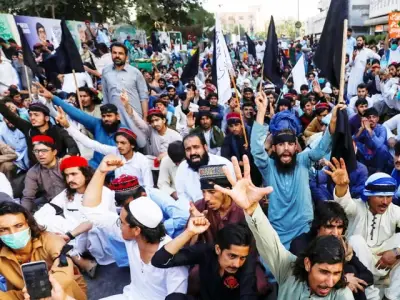
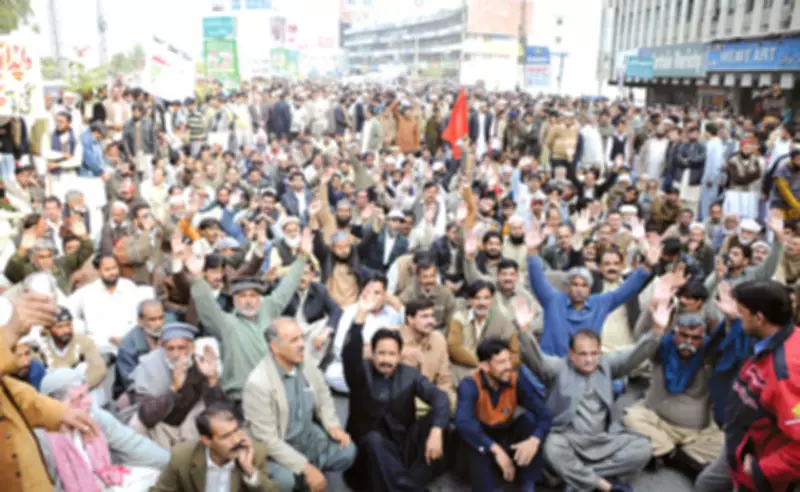
The traders have issued a clear warning that failure to address these concerns adequately will result in organized protests, active resistance, and potential legal challenges in the high court. Meanwhile, officials have confirmed that the revised proposal and updated cost estimates have been formally submitted to the provincial government for review and approval.
Upon receiving necessary approvals, the RDA will proceed with preparing a new feasibility study for the project. Authorities maintain that once completed, the Murree Road transformation will create a fully signal-free traffic corridor that will significantly improve traffic flow across Rawalpindi, addressing a transportation challenge that has plagued the city for generations.

The situation represents a classic urban development dilemma, balancing infrastructure modernization against heritage preservation and fair compensation for affected stakeholders. As Rawalpindi grapples with its chronic traffic congestion, the Murree Road project has become a focal point for broader discussions about urban planning, historical preservation, and equitable development practices in Pakistan's growing metropolitan areas.