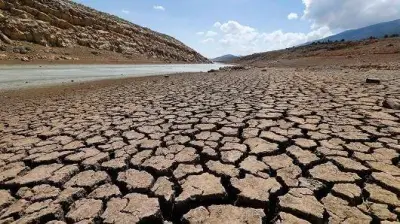
I am writing to highlight the long-standing neglect of rural areas in Pakistan, where millions of people continue to live without access to basic rights and facilities. Although nearly 63 per cent of Pakistan’s population lives in rural regions, these areas still suffer from poverty, poor education, inadequate healthcare, weak sanitation systems and insufficient infrastructure.
Educational Crisis in Rural Areas
In many villages, schools are either poorly maintained or completely non-functional. Thousands of children, especially girls, remain out of school due to poverty, lack of awareness and a shortage of qualified teachers. According to national education reports, Pakistan still has millions of out-of-school children, most of whom belong to rural communities.
Healthcare Conditions
Healthcare conditions are equally alarming. Many villages lack hospitals, dispensaries and trained medical staff. Due to unhygienic conditions, contaminated water and poor sanitation systems, rural populations remain vulnerable to diseases such as diarrhoea, hepatitis, malaria and typhoid. In several remote areas, people must travel long distances to receive even basic medical treatment.

Infrastructure and Public Services
Furthermore, many rural communities continue to face unreliable electricity supplies, damaged roads, poor drainage systems and shortages of clean drinking water. Farmers and labourers, despite playing a vital role in the country’s economy, often live without essential public services and adequate government attention.
Root Causes and Solutions
The root cause of many of these hardships is the lack of education and awareness. Without proper schooling and development opportunities, rural populations remain trapped in cycles of poverty and deprivation. A country cannot truly progress while a large portion of its population is denied fundamental rights and opportunities. The government must take immediate action by improving rural schools, hospitals, sanitation systems, roads and electricity infrastructure. Special awareness programmes should also be launched to educate people about health, hygiene and the importance of education.
Conclusion
Development should not be limited to cities alone. Rural areas deserve equal rights, equal opportunities and equal attention if the nation is to achieve balanced and sustainable progress.