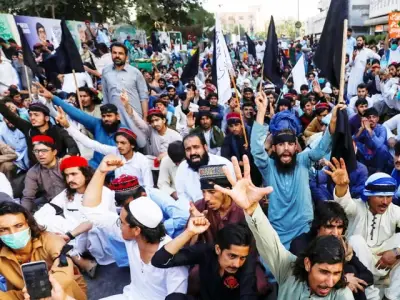
As a fierce war of words erupts between Muttahida Qaumi Movement–Pakistan (MQM-P) leader Farooq Sattar and senior Pakistan People’s Party (PPP) figures, including Chief Minister Murad Ali Shah and Karachi Mayor Murtaza Wahab, over responsibility for the Gul Plaza inferno and the broader decline in Karachi’s living standards, one thing has become abundantly clear: some heads must roll. The time for explanations, excuses, and diversionary tactics has long passed, as they are no longer sufficient to mask the chronic failures of municipal governance and Sindh’s major political parties in managing and fixing the city of Karachi.
Karachi's Recurring Tragedies Demand Urgent Action
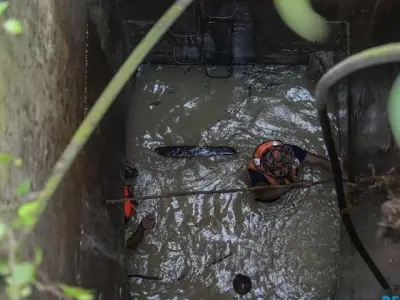
Gul Plaza may be the latest and most high-profile tragedy, but fires, structural collapses, and infrastructure failures have become distressingly routine across the city. This incident should serve as the straw that breaks the camel’s back, highlighting the urgent need for meaningful accountability. Unless the provincial government initiates decisive action—whether at the municipal level, the cabinet level, or elsewhere—institutional failure will be normalized, and such disasters will become ever more common.
The Erosion of Political Accountability
The very notion that political leaders are answerable for both their successes and their failures risks quietly disappearing if accountability continues to be evaded or deflected through political point-scoring. Accountability is not something to be avoided; it must be confronted head-on to restore public trust and ensure effective governance.

Potential Mechanisms for Ensuring Accountability
The Sindh government has several options at its disposal, and the mechanism is ultimately its choice. For instance:
- An independent judicial commission could be constituted to conduct a thorough and impartial inquiry into the Gul Plaza incident and broader governance issues.
- A parliamentary body from another province could be tasked with overseeing the investigation to ensure neutrality and transparency.
- Even voluntary resignations by those directly responsible would send a powerful signal that public office carries consequences, demonstrating a commitment to ethical leadership.
What matters is not the form of accountability, but the substance. There must be visible accountability, followed by a credible and sustained commitment to fixing Karachi in a meaningful way, addressing its infrastructure and safety concerns.
The Consequences of Inaction
Without such action, the decay that has hollowed out the city’s governance will only deepen. Karachi cannot afford another round of political theatrics while lives are lost and infrastructure continues to crumble. If this moment, marked by tragedy and public outrage, does not lead to accountability and reform, then the rot will continue to spread unchecked, further endangering the city’s residents and its future.
In summary, the political clash over the Gul Plaza fire underscores a critical need for systemic change in Karachi’s governance. As demands for accountability grow louder, it is imperative that Sindh’s leaders move beyond rhetoric and take concrete steps to address the city’s pressing issues, ensuring that such tragedies do not become a recurring nightmare.