The ancient name Cintu or Kintu, an early Proto-Dravidian term, evolved into Cintu in later Dravidian languages. The Dravidian language family, comprising 24 indigenous languages, is approximately 4,500 years old. In Old Tamil, Intu or Intu nir means sea, possibly evolving into Sindhu. Intu also denotes the date-palm, as noted in A Dravidian Etymological Dictionary Supplement by T. Burrow and M.B. Emeneau (Oxford, 1984, p. 227). Related terms include Henda (wild date tree) and Bonda (Palmyra or wild date tree). Thus, Cint, Cind, or Sindi signify a date-palm, suggesting that Intu or Sindhu may refer to a Land of Date Palms, and its people might have been called Cinti, Cindi, or Sindhi. Dates from the Indus Valley were renowned abroad, often called Meluhan Dates. Archaeological evidence from Mehrgarh, a Neolithic site dating to 7000 BC, confirms date cultivation. The Indus people at Mehrgarh also grew cotton, wheat, barley, and dates. Carbonised date seeds were found in chamber 37, House 1, VS Area at Mohenjo-Daro during 1925-26 excavations. Today, Sindh and Balochistan still produce high-quality dates.
In Classical Sanskrit, Sindhu means river and sea. In the Rigveda (1700 BC), the river Sindhu refers to the Indus. In the Zend Avesta (1500-400 BC), the region of the Lower Indus Valley and Sindhu River is called Hindush (or Hindu) due to the Old Persian linguistic shift where Sanskrit 's' becomes 'h'. The Vendidad lists Hapta Hindu as the 15th land created by Ahura Mazda, known for abnormal heat. From Persian, the name Hindu passed to Greek as Indos after Alexander's conquest in 326 BC, and later to Roman as Indus.
Ancient Trade and Descriptions
Cosmas of Alexandria, a Christian monk, in his Christian Topography (547 AD), described Sindh, its kings, seaport, and elephants. He wrote: 'And to Sindu also where musk and castor is procured... Sindu is on the frontier of India, for the river Indus... forms the boundary between Persia and India.' He also noted that the King of Sindu kept elephants, like other Indian kings.

The ancestry of the Indus Valley Civilisation and Mohenjo-Daro can be traced through archaeology, genetics, linguistics, and ancient history, as written inscriptions remain undeciphered. House structures, diet, cultural patterns, water sources, pottery, ornaments, migration, trade, and farming activities provide clues. Words and names in modern Sindhi from Proto-Dravidian, Dravidian, or Proto-Indo-Aryan languages also help. Indus-Sumerian connections shed light on ancient tribes, kingdoms, trade networks, and goods. Many populations in Sindh, Punjab, Balochistan, and Gujarat still carry ancestry linked to the Indus Valley Civilisation.
Ancient Tribes and Clans
Atta Muhammad Bhanbhro, in his book Indus Script (2012, University of Sindh Jamshoro), identified several castes and names from Indus Seals: Areeja, Samma, Khatri, Behan, Kaka, Bhagia, Dahar, Bhat, Magsi Saria, Manganhar, Vaka, and others.
Malah: The Boatmen of Meluhha
Meluhha (or Meluha) is the Sumerian name for the Indus Valley Civilisation, a major trading partner of Mesopotamia in the 3rd millennium BC. In Sumerian, Malahum means sailor or captain, found nine times in Ur III texts (2100-2000 BC). The term appears in Aramaic (melahha), Hebrew (melakh), and Arabic (malaah), all meaning sailor. In Akkadian, it became Malahu. Their land, Meluha, means Land of the Sailors or Country of the Black Skinned People. The AICC (AI Cuneiform Corpus) texts describe Malah 39 times, referencing fields, seals, boats, labourers, and cities.
King Sargon of Akkad (2334–2279 BC) moored ships of Meluhha, Magan, and Tilmun at Agade. The Curse of Akkad notes that Meluhhans brought exotic wares to the goddess Inana. Meluhha exported grains, vegetables, fruits, beads, textiles, dyes, jewellery, metals, ivory, sea shells, pearls, flints, pots, ceramics, tools, oil, animals, birds, and fish. Harappa and Mohenjo-Daro were renowned for their trade networks. Meluhha was ruled by a powerful king. Sargon's son Rimush campaigned against a coalition including Meluhha, claiming victory over Parahshum (Marhashi) and capturing thousands. A cuneiform tablet reads: 'Zahar, Elam, (G)upin, and (Me)luhha assembled in Pa(rah)sum for battle, but...' Rimush also conquered Elam, taking gold, copper, and slaves.

Later, during King Naram Sin's reign, a Meluhhan king named Ibra is mentioned. Frank A. Krueger's AICC contains 176 references to Meluhha from Old Akkadian to Hellenistic periods, describing the land, people, king, boats, temple administrators, seals, roads, borders, mountains, rituals, archers, chariots, horses, ebony, gold, carnelian, lions, and more.
Who Founded Mohenjo-Daro?
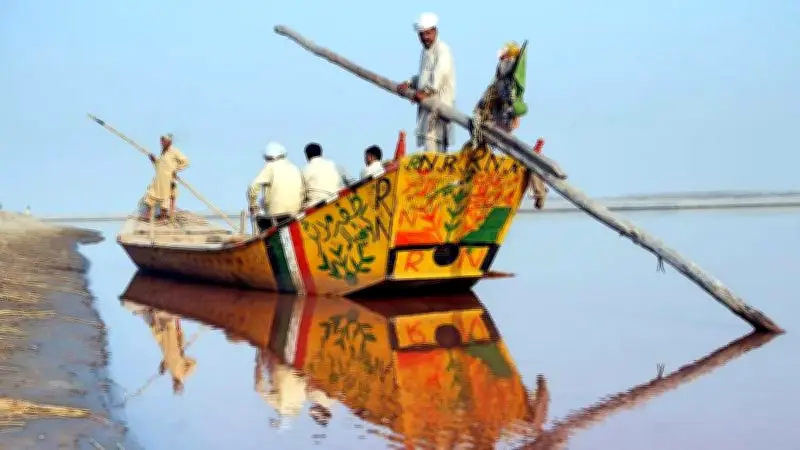
Mohenjo-Daro was likely founded by Sindhi people living on the Indus banks, known as Malah or boatmen. These communities were called Amir ul Bahar by Arabs in the 7th century AD. The Mir Bahar or Muhana tribe of Sindh is divided into 254 septs, including Barija, Bahlim, Balhara, Burira, Channa, Dera, Dhakan, Ghoghara, Karani, Kutria, Larak, Mangria, Moria, Muhana, Sahata, Sameja, Sangi, Siyal, Sodhar, Supra, Thahim, and Walhari. Most live around Mohenjo-Daro today. Larkana is named after the Larak tribe. The Malah community lives in villages like Imam Bux Malah, Balhreji, and Gajidero, transporting men, wood, and supplies across the river.
Abra: The Warrior Tribe of Meluhha
The name Abra is derived from Apa, meaning water in Sanskrit. The Abra, Abhira, or Abro tribe is found in Pakistan, India, and Afghanistan. According to historians, Abra is a Samma or Jat tribe. During King Naram Sin's reign, a mighty chief named Abra (Ibra by foreigners) ruled the Indus Valley, known for bravery and wealth. Naram Sin campaigned against Meluhha and Magan, defeating Ibra. During Ur III, Ibra appears 12 times in texts as a seal owner and important figure. King Shu-Suen (2037–2028 BC) is known for the world's oldest love poem. Ibra is also mentioned in the Royal Inscription of Gudea of Lagash (2100-1800 BC).
In 518 BC, Darius the Great conquered the region between the Indus and Jhelum, establishing the Satrapy of Sindh. The Behistun Inscription (520 BC) provides evidence. The Hindush Satrapy was the richest, providing 32% of annual tribute. The Indus Valley Archers, called Sparabara (shield bearers), were elite royal guards depicted in the Frieze of Archers from Susa. They wore cotton garments with geometric patterns resembling Sindhi Ajrak. The name Sparabara may combine Spara (shield) and Abara (Abra tribe).
Herodotus described Indian soldiers in Xerxes' army wearing cotton and carrying cane bows. The Abra tribe is divided into 14 major septs: Kamaria, Gaheja, Hasnani, Dandya, Tayoja, Bukeja, Marfani, Garani, Kodani, Markhiani, Joyabra, Abrepota, Kkakhrani, and Rahuja. In 1901, the chief was Himmat Ali Khan, a Jagirdar. His ancestor Jam Abro, a Samma Rajput, defended Soomra and Samma princesses from Alauddin Khilji in 1314 AD, dying in battle. The present chief is Sardar Zulfiqar Ali Khan Abro. Abra septs near Mohenjo-Daro include Unar, Abrepota, Bukeja, Agham, Bughia, Channa, Jakhra, Magsi, Mangneja, Wagan, Saria, Behan, Phulpota, Masan, Burira, and others.
Samo, Samma, or Sammatiya
The Samma claim descent from Sem, son of Noah. They were original inhabitants of Sindh. In Vedic texts, Indra fought the demon Sambara, who had ninety-nine forts. Sambara is mentioned with Pipru and Susna. The Samma or Samo people are the largest Muslim group in Sindh. Sambus, a Samma king, revolted against Alexander in 326 BC, with his capital at Sindimana (Sehwan). Alexander plundered his kingdom, killing 80,000. Sambus fled with thirty elephants. The Samma dynasty ruled from 1351 to 1520 AD. Their capital was Samui near Makli Hills. They converted to Islam after the Arab conquest in 711 AD. The Samma are divided into four groups: Gha-Samma, Saheb-Samma, Chuda-Samma, and Dungar-Samma. Jam Nizamuddin II was a famous sultan. There are 809 septs of Samma, including Arija, Awan, Aghim, Budh, Behan, Bhatti, Burira, Channa, Chanar, Chhajra, Chhuta, Dasra, Daya, Dera, Dhakan, Farash, Gaincha, Hullia, Jaisar, Jhatial, Kirya, Kolachi, Karira, Larak, Lakha, Magsi, Malana, Mandhra, Mangria, Sahata, Masan, Moriya, Nareja, Otha, Pathan, Rid, Samtia, Sarya, Sihra, Theba, Unar, Wagan, and Zangega.
Pani, Baniya, or Waniya: The Traders
In the Rigveda, Panis are rich merchants. The term derives from Sanskrit Vāṇijya (trade), becoming Vaniyo or Wania in Sindhi. These are considered Phoenicians. By the 5th century BC, Phoenician trade routes stretched from India to North Africa. Hindus in Sind used the Waniki script before 1947. The Pani tribe is also a Pathan tribe from Koh-e Suleman. The Barozai chieftains were governors of Sibi.
Drakhan: Carpenters
Carpentry was highly developed, using chisels, drills, saws, and adzes for gates, doors, boats, and tools.
Kumbhar: The Potter
The word Kuvara (Kovara) means potter in Kannada, a 4,500-year-old Dravidian language. Avi means kiln. Mohenjo-Daro pottery includes red-slipped wares with black designs, wheel-made, with geometric and animal motifs. Potter families still live in Dokri, Gud, Balhreji, and Gajidero.
Kori: The Cloth Weavers
Kotikam means cloth and Kotikar means weaver in Tamil. The Kori tribe historically wove coarse cloth. Mohenjo-Daro's Dyer's Workshop in VS Area had dyeing troughs. Indigo was cultivated, and Ajrak shawls derive their name from Azrak (blue). Cotton fabric was excavated from Mohenjo-Daro. Sindon, meaning fine linen, is linked to Sind. Kori families live in Dokri, Bagi, Wakro, and Badeh.
Mochi: The Cobbler
Mochi or Chamar means cobbler. A Sandal-Maker's Stone was found at Mohenjo-Daro. Village Channa Mochi is near the site.
Brohi: The Mountain Dwellers
The Brahui people speak an isolated Dravidian language. They live in Balochistan. Some theories suggest migration from the Indus Valley. They are divided into five septs: Ahmedzai, Itlazai, Kambrani, Mirnani, and Kalandrani. They were nomadic pastoralists.
Machhi: The Fishermen
Machhi means fisherman. The fish sign is common on Indus Seals. Alexander encountered the kingdom of Musikanus, possibly related to the Machhi. The Machhi tribe lives near Mohenjo-Daro in Dhandh-Lanyaro, Balhreji, Wakro, Gud, and Dokri.
Kanai: Reed Roof Makers
Kanai artisans make reed roofs using sustainable materials. They are called Patalai or Patrai Shaikh. Marks of reed roofs were found at Mohenjo-Daro. This profession is dying.
Soomra: The Founders of the Soomra Kingdom
The Soomra dynasty ruled Sindh from 1010 to 1351 AD. They are linked to Samarra in Iraq or indigenous origins. The tribe has 43 septs.
Sodha: The Ranas of Umerkot
The Sodha tribe, a branch of Pramara Rajput, ruled Umerkot. They are mentioned by Alexander as Sodrae. Rana Hamir Singh is the current chief.
Jat: The Cattle Breeders
The Jat tribe is widespread in Sindh, Punjab, and Balochistan. They are divided into 81 sections, including Abras, Arain, Machhis, Soomra, and others. They cultivate land and breed cattle.
The descendants of Mohenjo-Daro still live around its remains, preserving ancient traditions in farming, boat-making, pottery, and textiles.