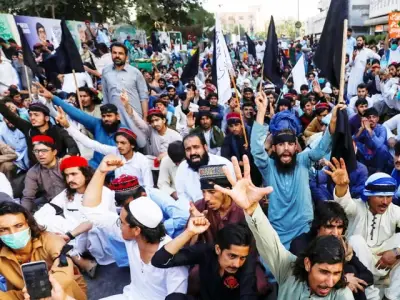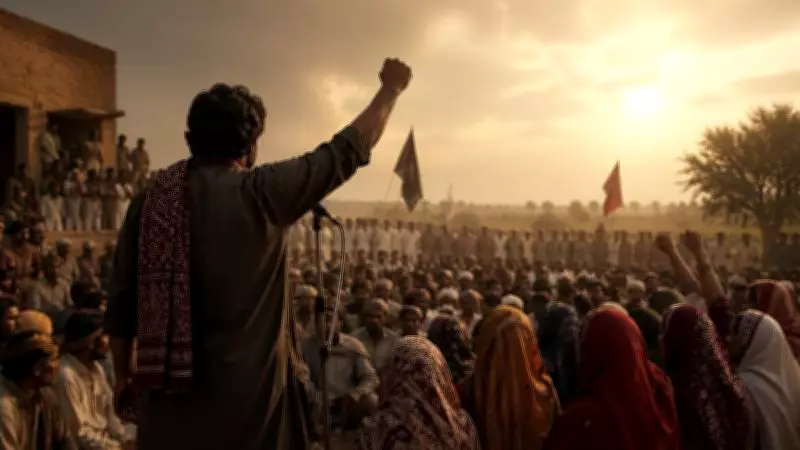
In the vast, sun-scorched landscapes of rural Sindh, a quiet but potent form of resistance is unfolding. It is not waged with weapons or protests, but with memory—collective, lived, and fiercely preserved. For decades, the rural communities of Sindh have been marginalized in Pakistan’s political and economic discourse, often overshadowed by the urban centers of Karachi and Hyderabad. Yet, in villages and small towns, a politics of memory is emerging as a powerful tool to assert identity, challenge dominant narratives, and demand recognition.
The Roots of Rural Resistance
Rural Sindh has long been a bastion of agrarian life, with a history deeply intertwined with the Indus River and its tributaries. However, the region has also been a site of exploitation—feudal lords, state neglect, and economic disparity have shaped the lived experiences of its people. In response, communities have turned to their past, not as a nostalgic escape, but as a foundation for resistance. Oral histories, folk songs, and local festivals serve as repositories of collective memory, preserving stories of struggle, resilience, and defiance against oppression.
Memory as Political Action
The politics of memory in rural Sindh is not merely about remembering; it is about reclaiming. By invoking historical figures like the 18th-century Sufi poet Shah Abdul Latif Bhittai or the 20th-century peasant leader Hur Mujahid, communities forge a lineage of resistance that legitimizes their contemporary struggles. These memories are mobilized during political rallies, land rights movements, and cultural events, creating a shared narrative that transcends individual grievances. For instance, the annual Urs of Shah Abdul Latif Bhittai in Bhit Shah becomes a space where political demands for water rights, land reforms, and social justice are articulated through poetry and music.

Moreover, memory serves as a counter-narrative to the state’s homogenizing discourse. In a country where national identity is often centered on Punjab or urban modernity, rural Sindh’s insistence on its own history is a radical act. It challenges the erasure of Sindhi language, culture, and political agency. Local activists and intellectuals have documented oral histories, published books, and created digital archives to ensure that these memories are not lost to time.
Challenges and Continuities
Despite its power, the politics of memory faces significant challenges. The feudal system, while weakened, still exerts influence, often co-opting cultural symbols for elite interests. Additionally, the rise of social media and digital communication has both amplified and diluted local narratives. Younger generations, while connected to global movements, sometimes struggle to engage with the agrarian roots of their identity. Yet, the resilience of rural communities is evident. In the face of climate change, water scarcity, and economic migration, memory remains a anchor—a reminder of what has been lost and what must be fought for.
As Sindh continues to navigate its place within Pakistan’s federation, the politics of memory will likely remain a vital force. It is a reminder that resistance is not always loud; sometimes, it is the quiet, persistent act of remembering.