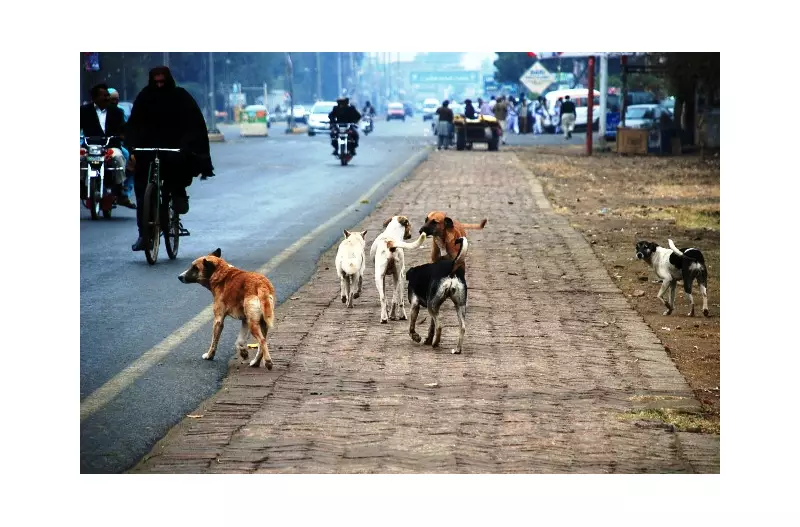
A high-level bench of the Sindh High Court has issued a stern directive to the provincial government, demanding answers for its apparent failure to tackle the growing menace of stray dogs and ensure the availability of anti-rabies vaccines across the province.
Court Takes Stern Notice of Inaction
A two-member Constitutional Bench, led by Justice Yousuf Ali Saeed, heard a petition on Tuesday that highlighted severe lapses in the rabies control programme. The petition, filed by Advocate Tariq Mansoor, argued that despite clear orders from the SHC in 2024, the relevant authorities had taken no effective action. The bench has now given the Sindh government and other concerned departments a strict deadline of four weeks to submit their detailed reports on the matter.
Alarming Statistics Revealed in Hearing
During the proceedings, shocking figures were presented to the court. The petitioner's counsel informed the judges that at least 22 people lost their lives due to dog bites in 2025 alone, while nearly 29,000 individuals suffered injuries across Sindh. This underscores a critical public health emergency that has been largely ignored.

Further compounding the issue, the court was told that the dedicated helpline of the Karachi Metropolitan Corporation, number 1093, which was established to handle complaints about stray dogs, has become completely non-functional. This leaves citizens with no official channel to report dangerous animals in their neighborhoods.
Government's Response and Court's Observation
The bench questioned the government's lawyer extensively over the non-compliance with its previous orders. In response, the law officer present claimed that vaccines were available and promised to obtain a detailed report from the relevant director general for submission to the court.
Justice Yousuf Ali Saeed noted that the court would thoroughly review all aspects of the case once the replies are received before issuing any further necessary orders to ensure implementation.
Separate Notice on Qingqi Rickshaw Ban
In a related development, the same bench also took up another significant public interest issue. It issued notices to the Sindh government, traffic police, and a Qingqi rickshaw manufacturing company on a petition filed by the Qingqi Rickshaw Association. The association is challenging the ban on multi-seat three-wheelers on several key routes within the city.
Representing the association, Advocate Qazi Abdul Hameed argued that the ban has adversely impacted the livelihoods of operators of approximately 60,000 Qingqi rickshaws, even though these vehicles possess valid route permits that have not been formally cancelled. The court has sought written replies from the respondents by February 3.