Ghana's government on Saturday criticized Canada's decision to deny midfielder Thomas Partey a visa for the national team's World Cup match against Panama next week, calling it "high-handed and extremely unfair."
Diplomatic Protest
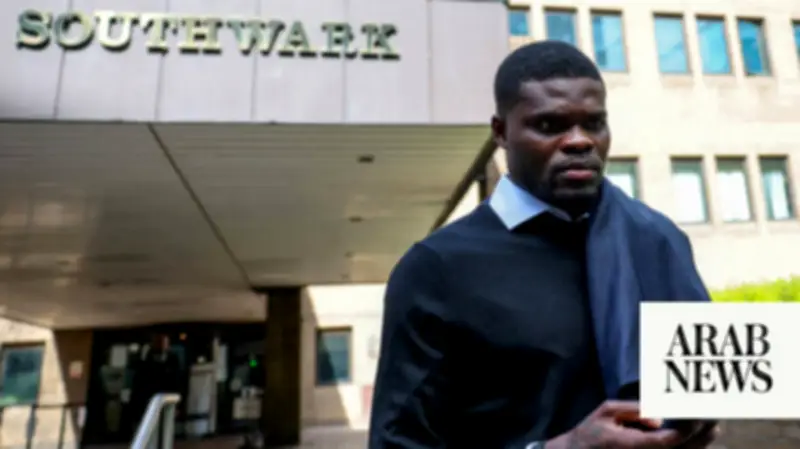
The West African nation's foreign ministry issued a statement expressing strong reservations about the move. It noted that the decision appeared to be based on pending criminal proceedings in Britain against the 32-year-old Partey, who currently plays for Villarreal after a stint at Arsenal. Partey faces allegations of rape and sexual assault in the UK, which he has denied.
Ghana's foreign ministry said it had sent an official note of protest on Thursday, requesting Canada to review its decision. "The Government of the Republic of Ghana expresses strong reservations following the high-handed and extremely unfair decision by Canada," the statement read. "While respecting Canada’s sovereign right to enforce its immigration laws, Ghana considers that reliance on unproven charges in the absence of a judicial determination raises fundamental questions of fairness and proportionality."

Partey's Situation
Partey is currently with the rest of the Ghana squad in Boston and remains eligible to play in the team's subsequent Group L matches against England in that city and versus Croatia in Philadelphia. The visa denial only affects the game against Panama, scheduled to be played in Canada.
Canada's Response
A spokesperson for Canada's Immigration, Refugees and Citizenship department stated on Friday that hosting major events does not alter immigration laws. "Every person seeking to come to Canada is assessed individually, based on the facts available and the law that applies," the spokesperson said.
World soccer's governing body FIFA clarified that it is not involved in the immigration processes of host countries.
Broader Context
Partey's case is the latest immigration-related controversy at the World Cup, which is being co-hosted by Canada, the United States, and Mexico. Earlier this week, the US refused entry to Somali referee Omar Abdulkadir Artan, who had been scheduled to officiate at the tournament. An official from President Donald Trump's administration cited "association with suspected members of terror organizations." Upon returning to Somalia, Artan described the visa decision as a matter of "fate" and encouraged fellow Somalis not to lose heart.