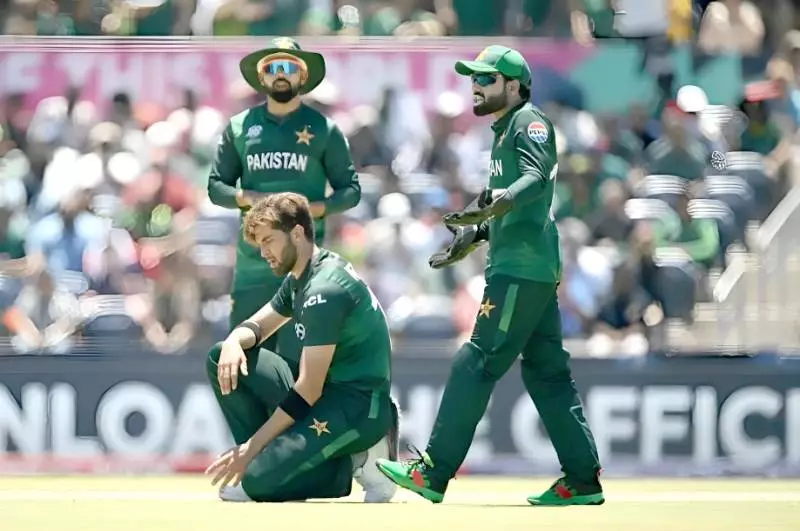
The Pakistan cricket team's World Cup campaign has ended in disappointment, leaving fans and experts alike searching for answers. The recurring theme throughout the tournament has been one of crippling inconsistency that has plagued every aspect of the team's performance.
The Selection Conundrum: Musical Chairs in the Dressing Room
One of the most glaring issues has been the constant chopping and changing of the playing XI. The selection committee appears to have no clear vision or long-term strategy, treating the national team like a trial ground rather than a settled unit. This lack of stability has prevented players from developing confidence and understanding their specific roles within the team structure.
The batting department has been particularly volatile, with openers changed multiple times and middle-order positions shuffled unpredictably. This musical chairs approach has destroyed any possibility of building reliable partnerships or establishing a consistent batting rhythm.

Technical Flaws Exposed on World Stage
Pakistan's technical deficiencies were brutally exposed against quality opposition. The batsmen struggled against pace, spin, and even medium-pace bowling, displaying fundamental flaws in their techniques that should have been addressed long before a global tournament.
- Poor foot movement against spin bowling
- Inability to handle short-pitched deliveries
- Lack of patience in building innings
- Weaknesses in reading variations in pace
Bowling Woes: From World-Class to Ordinary
Once considered Pakistan's strongest asset, the bowling attack has looked toothless and unimaginative. The pace battery, traditionally the pride of Pakistani cricket, has failed to deliver when it mattered most.
"We've seen a dramatic decline in bowling discipline," noted a former Pakistani fast bowler. "The line and length has been erratic, the field placements questionable, and the overall strategy appears confused at best."
Leadership Crisis and Mental Fragility
The leadership, both on and off the field, has come under intense scrutiny. Captain Babar Azam, while brilliant with the bat, has shown limitations in his tactical acumen and ability to inspire the team during pressure situations.
- Poor decision-making at crucial moments
- Inability to adapt to changing match situations
- Lack of aggressive intent when required
- Failure to utilize resources effectively
The Way Forward: Time for Radical Changes
This World Cup failure should serve as a wake-up call for the entire Pakistan cricket ecosystem. Mere cosmetic changes will not address the deep-rooted problems that have been festering for years.
The Pakistan Cricket Board needs to take bold decisions, starting with a comprehensive review of the domestic structure, coaching staff, and selection policies. The focus must shift from short-term results to long-term development, with clear pathways for young talent and proper support systems for established players.
Until Pakistan cricket addresses this culture of inconsistency and implements a coherent, long-term strategy, the nation's cricketing fortunes are likely to remain unpredictable and disappointing on the world stage.