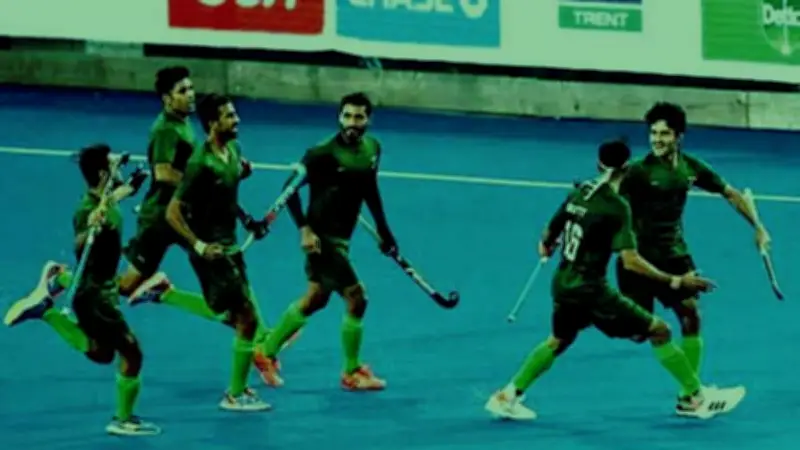
The FIH Pro League has again exposed the gap between Pakistan hockey's proud legacy and its current reality. Heavy defeats, including a 7–0 loss to England, have left fans frustrated and players demoralised. Observers who followed the matches closely point to structural problems behind the scorelines. The players often showed heart in difficult conditions, but weaknesses in preparation, coaching continuity, and accountability turned matches that could have been competitive into embarrassments.
Immediate Problems on the Pitch
The defence repeatedly broke down as opponents exploited gaps through superior movement and finishing. Game management was poor, and the high-scoring losses showed inadequate conditioning and recovery. In heat reaching 35°C, players tired visibly, which led to turnovers, misplaced passes, and moments where teammates ran into each other or blocked their own shooting lanes. Positioning and game awareness suffered, pointing to insufficient tactical drilling. Penalty corner defence was vulnerable against specialists, and finishing in the circle lacked the clinical edge this level demands. Goalkeeping rotations drew criticism, with calls for the first-choice goalkeeper to play full matches for consistency.
Injuries deepened the concern. When Muhammad Nadeem Ahmed went down, it raised questions about on-site medical support and follow-up care, especially for athletes far from home. After heavy defeats, players left the field quietly while a coach signed autographs, which showed little urgency or accountability from the setup. Despite the run of results, the management and federation faced little public scrutiny.

Chronic Instability in Coaching and Infrastructure
These failings recur across tournaments because Pakistan hockey suffers from chronic instability. Coaching tenures are short, which prevents the team from building a coherent playing philosophy or trust between players and the coach. A coach needs a commitment of several years, ideally five, to embed modern high-performance standards in fitness, nutrition, sports science, and video analysis. Infrastructure and domestic competition also lag. A strong league would sharpen players, but limited opportunities at home leave them underprepared for the intensity and tactical sophistication of Pro League opponents such as England, India, and Australia.
Federation-level problems compound these failures. Selection controversies, weak travel and acclimatisation support, and limited investment in grassroots development have eroded the talent pipeline that once produced world-beaters. Individual brilliance still emerges, but the squad lacks the depth, physical robustness, and mental resilience that sustained success requires. Better-resourced nations invest in data-driven training, sports psychologists, and long-term athlete pathways. Pakistan relies on raw talent and historical reputation.
An Archaic Approach to Modern Hockey
Pakistan's whole approach to field hockey is now archaic. The game has changed faster than the system that produces our players. Modern hockey runs on professional structures, year-round conditioning, sports science, video analysis, and steady funding, while Pakistan still leans on improvisation, short camps, and the memory of past glory. The methods that won titles in the 1980s cannot match teams that train, recruit, and plan on a far larger scale.
Meeting the demands of the modern game requires a clear standard for how the team trains and plays. Players must defend in organised structures, press in coordination, and keep their decision-making sharp deep into the fourth quarter. They need the speed, passing accuracy, and set-piece precision that the leading sides treat as routine. This standard depends on full-time professional support: strength and conditioning coaches, physiotherapists, analysts, and nutritionists who work with the squad throughout the year rather than for a few weeks before a tournament. A high-performance centre, regular fixtures against elite opponents, and data from every session and match would let Pakistan measure itself against the level the Pro League demands.

Grounds for Recovery: A Seven-Point Reform Plan
There are still real grounds for recovery. Pakistan has passionate fans, a rich hockey heritage, and a global diaspora it can draw on. The players have shown character and matched opponents in patches despite the final scores. The task is to channel this potential through deliberate reform.
First, establish coaching stability. Appoint a capable head coach with a proven record on a multi-year contract, backed by professional support staff: fitness trainers, analysts, physiotherapists, and a dedicated medical team. This continuity would allow structured periodisation programmes that build match fitness and injury resilience. Conditioning must become a firm requirement, and heat acclimatisation camps and recovery science should be standard before tournaments in difficult climates.
Second, strengthen accountability and transparency. Post-tournament reviews should be mandatory, with public summaries setting out what went wrong and what will be corrected. Federation leadership must answer to its stakeholders: players, former greats, and fans. Clear performance metrics for selection and coaching staff would reduce favouritism and build trust.
Third, invest in domestic structures. Revitalise the Pakistan Hockey League with better funding, sponsorship, and international exposure. Regular home matches against strong foreign sides would accelerate development. Talent identification should reach beyond traditional hotspots through modern scouting, age-group programmes, and partnerships with schools and colleges. Junior development, including girls' hockey, would broaden the base and secure long-term sustainability.
Fourth, give sport a central place in the lives of young Pakistanis. Most children now grow up playing only cricket, which narrows the country's athletic base. The best teams in the world are built on players who grew up playing several sports because varied movement, coordination, and game sense in childhood produce stronger, more adaptable hockey players later on. Schools and colleges should offer hockey alongside cricket, athletics, football, and other games, with proper grounds, equipment, and regular inter-school competition. A national policy that treats physical education and multi-sport participation as part of every child's schooling would widen the talent pool for hockey and for Pakistani sport as a whole.
Fifth, adopt sports science and technology. GPS tracking, video analysis, and sports psychology are now baseline requirements. A national high-performance centre built for these needs could serve both senior and junior teams. Partnerships with universities and private companies could bridge funding gaps and introduce evidence-based training.
Sixth, develop tactics and a mindset. Modern hockey rewards speed of thought, precise passing, and high pressing. Training must prioritise decision-making under fatigue, set-piece specialisation, and adaptability. Targeted programmes to build mental toughness would help players handle pressure and stage comebacks.
Finally, draw on international and diaspora networks. Pakistani-origin players and coaches abroad could contribute expertise, and well-planned tours and bilateral series would provide competitive exposure. Securing corporate sponsors and government support for infrastructure, including proper pitches, gyms, and academies, remains essential. Growth demands developing hockey as a complete ecosystem. This means focusing on grassroots, a domestic league, infrastructure, and the national team together. Results in the Pro League and the Olympics will come only from sustained, long-term investment. The current campaign is painful, but it offers a clear diagnosis. By addressing defensive weaknesses, physical conditioning, coaching continuity, and accountability, Pakistan can turn this disappointment into momentum.