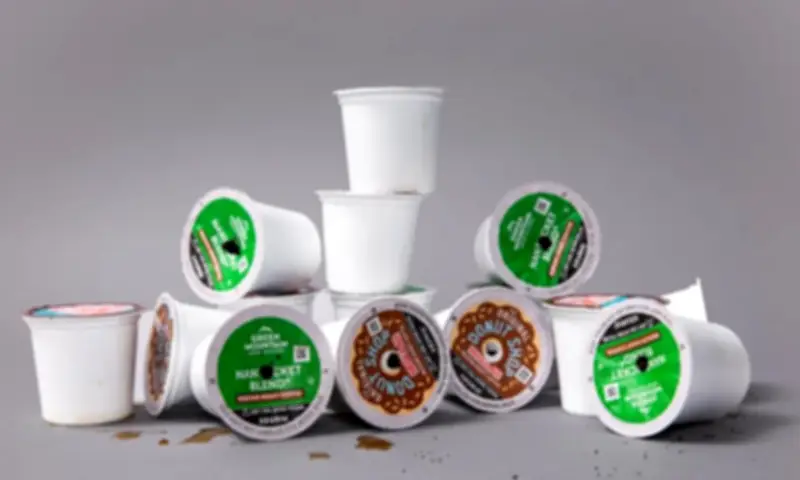
Before Keurig, office coffee was notoriously terrible—old, burned, and poorly measured. The single-cup brewer solved this by letting individuals make fresh coffee on demand. However, as detailed in the fourth episode of the fourth season of Version History, the convenience came with significant downsides for consumers, the environment, and coffee culture itself.
The Rise of Keurig and K-Cups
The Keurig system became ubiquitous in U.S. offices and then homes, offering a quick, personalized cup of coffee. The podcast hosts—David Pierce, Eater’s Melissa McCart, and champion barista Morgan Eckroth—explore how the idea grew beyond expectations. According to The Boston Globe, Keurig’s rise to a billion-dollar coffee empire was driven by its simplicity and the appeal of single-serve pods.
Environmental and Quality Costs
Despite its popularity, K-Cups generated massive plastic waste. The Atlantic questioned how bad K-Cups are for the environment, and Keurig faced criticism for making inaccurate recycling claims about its pods. The podcast also examines how ultra-convenient coffee compromised the notion of “good coffee,” as barista Morgan Eckroth notes that the pods often deliver stale, pre-ground beans.

Keurig’s Reckoning and Adaptation
Keurig has spent years trying to address these issues, introducing recyclable pods and new machines like the K-Brew and Chill, which chills drinks for pod lovers. However, the company struggles to keep pace with a coffee culture that increasingly values fresh, specialty brews. The episode also references Mother Jones’ coverage of the dirty secret behind coffee pods and the movement to “Kill the K-Cup.”
Podcast and Additional Resources
Version History is part of The Verge’s smart home season, covering innovations like the Harmony remote, Roomba, and Nest thermostat. Listeners can access the podcast via the Version History feed, YouTube channel, TikTok, and Instagram. Verge subscribers can enjoy ad-free episodes. For deeper reading, the show notes link to articles from The Boston Globe, The Atlantic, and Mother Jones.