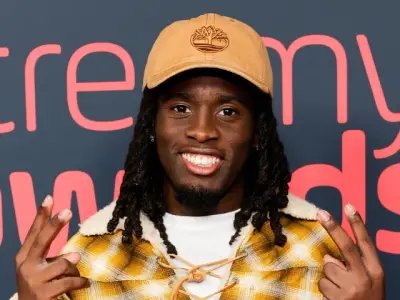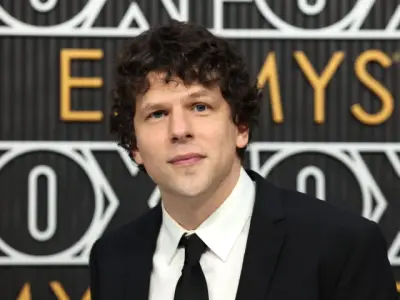
United Talent Agency's Creators division co-heads Ali Berman and Raina Penchansky, speaking at the Cannes Lions advertising festival, detailed how they help top creators build durable businesses beyond brand deals, including physical products and equity arrangements. The division represents stars like Charli D'Amelio, Markiplier, Kai Cenat, and Emma Chamberlain.
20 Years of Building the Creator Economy
Berman, who has been at UTA for 16 years, noted that the Creators division is celebrating its 20th anniversary. She started in traditional literary representation but gravitated toward artists building direct-to-consumer communities. Penchansky co-founded Digital Brand Architects (DBA) 16 years ago, before Instagram launched, and UTA acquired DBA in 2019. The division now sits within UTA, with Penchansky as CEO of DBA and co-head alongside Berman and Oren Rosenbaum.
According to Berman, the tagline for 2026 is "we've arrived," as creators are now inescapable for brands and artists alike. Penchansky observed that Cannes Lions has shifted dramatically in the last five years, with creators now central to advertising conversations.

From Brand Deals to Multifaceted Businesses
Berman explained that while creator businesses were once driven solely by brand deals, the majority of their clients now do "way more than just brand deals." The agency helps quarterback careers across all dimensions of entertainment, leveraging UTA's expertise in every area. Penchansky described creators as "their own media companies," requiring roadmaps for physical products, events, TV components, and offline experiences.
The agency says no to 90 percent of opportunities, allowing focus on the 10 percent that align with each creator's unique voice and audience. Penchansky emphasized that capital is not the challenge for launching products; rather, it's infrastructure, institutional knowledge, and understanding how to bring a product to market.
Identifying and Pitching Talent
Berman declined to reveal her exact pitch recipe but said she looks for people with a "singular voice" and a strong work ethic. Penchansky noted that the agency's work speaks for itself, and she often engages with clients directly through DMs, reacting to content and sparking ideas. "We're moving at the speed of content," she said, adding that an idea born at Cannes could become the next IP.
The agency meets with clients weekly, biweekly, or monthly to build overall strategies and track progress. Penchansky stressed the importance of high EQ and gut instinct in deciding which brand deals to accept. "If you're taking a beat because you're hesitant, that's normally not the right place," she said.
Navigating the Influencer Cliff
Penchansky acknowledged the concept of the "influencer cliff," where creators struggle when asking audiences to transact directly. Success requires content-market fit and a product that naturally fits into the creator's existing content. She cited client Patrick Starrr, who launched ONE/SIZE Beauty with makeup remover wipes—a counterintuitive choice that resonated because it told his personal story. His setting spray now sells every eight seconds at Sephora.
Berman added that if a product can fit into a creator's content without effort, it checks the biggest box for success.
AI and Platform Threats
Both executives expressed confidence that AI is not a threat to their business. Berman called it a tool that can help outsource resourcing, while Penchansky noted that consumers are not gravitating toward AI-generated content. "The content's not contenting," she said, adding that human connection and IRL experiences will become more important.
Berman said she believes YouTube CEO Neal Mohan's commitment to prioritizing human-made content. She sees an opportunity for platforms to protect creators amid AI changes. However, she acknowledged concerns about likeness and voice theft, noting that UTA works through legal channels to protect clients but that no comprehensive solution yet exists.
Looking ahead, Berman predicted a resurgence in live content, while Penchansky pointed to Gen Alpha as the next generation of consumers and creators.